






Most parents spend more time replacing bobbled leggings and frayed jumpers than they do actually enjoying the chilly season with their family. It's a common frustration to buy a new wardrobe only to see it fall apart after a few washes, or to feel stuck with generic styles that everyone else at the park is wearing. You probably find the jump between European and Australian sizing confusing, which makes it hard to shop with confidence for pieces that actually last and fit correctly.
Choosing the best kids winter clothes should be an investment in durability and self-expression rather than a monthly chore. We'll show you how to select stylish, warm essentials from Europe's leading designer brands that are built to withstand rugged Australian play. You'll learn how to navigate the 2023 care labelling standards and the mandatory 2026 safety requirements while discovering unique pieces that reflect your child's personality. This guide provides everything you need to build a high-end winter wardrobe that offers both sophisticated aesthetics and the long-lasting quality your family deserves.
Key Takeaways
- Understand the 2026 shift towards 'slow fashion' and how to choose kids winter clothes that balance European style with Australian durability.
- Learn how to identify premium features like reinforced zips and organic cotton blends that distinguish designer staples from generic high-street items.
- Master a practical layering system using moisture-wicking foundations and insulating mid-layers to handle the country's varied winter temperatures.
- Stop the guesswork by decoding European sizing conventions and using simple home-measurement techniques for a flawless online shopping experience.
- Explore the latest 2026 collection highlights from B.Nosy and Nono to find unique pieces that showcase your child's individual personality.
Navigating the 2026 Kids Winter Clothes Landscape in Australia
By the middle of 2026, the Australian kidswear market has undergone a significant shift. Parents are no longer satisfied with "fast fashion" that ends up in landfill after a few wears. Instead, there is a clear movement toward slow fashion. This approach prioritises durability, ethical production, and timeless style. When you shop for kids winter clothes this season, you're likely looking for pieces that can survive the rough and tumble of the schoolyard while still looking fresh for family outings.
Setting a budget in this new landscape requires a change in perspective. Rather than buying a bulk lot of cheap, generic items, many families are choosing to invest in fewer, higher-quality staples. It's a strategy that pays off. Premium garments often retain their shape and colour, allowing them to be handed down to younger siblings or sold on resale platforms. This "hand-me-down" factor makes designer labels a more sustainable and financially savvy choice in the long run.
Why European Designer Brands are Winning
European labels like Nono and Like FLO have seen a surge in popularity across Australia. These brands offer unique patterns and sophisticated colour palettes that stand out from the predictable styles found in big-box stores. They often use superior fabrics that feel softer against the skin and stand up better to frequent washing. Because these companies typically follow high ethical manufacturing standards, you can feel confident that your child's wardrobe is produced responsibly. It's about finding that perfect balance between high-end aesthetics and rugged practicality.
Winter in Australia: More Than Just Heavy Coats
The Australian winter is a unique beast. In cities like Melbourne or Hobart, you can truly experience four seasons in a single afternoon. This unpredictability means that a single heavy coat is rarely enough. Versatility is the goal. You need breathable fabrics that prevent active children from overheating during a game of footy at the park. Understanding the principles of winter clothing is essential here, as it helps you choose materials that trap warmth without feeling restrictive.
For most Australian regions, wind-resistant layers are often more practical than bulky, waterproof snow gear. A well-made windbreaker or a sturdy utility jacket provides protection against the biting southerly winds without the weight of a traditional parka. When you're selecting kids winter clothes, look for items that allow for easy movement. Whether it's a weekend bushwalk or a trip to the local playground, your little ones need gear that works with them, not against them.
Key Features to Compare: What Makes Quality Winter Wear?
Quality isn't just about the thickness of a jumper. It's found in the technical details that keep children comfortable while they're running, climbing, and exploring. While high-street brands often focus on the lowest price point, designer labels prioritise specifications that handle the unique demands of active play. High-performance fabrics like organic cotton blends and recycled polyesters are standard in premium kids winter clothes. These materials offer superior breathability, which is vital. Unlike cheap synthetic alternatives, organic cotton helps regulate a child's body temperature, preventing that uncomfortable "sweaty-then-chilly" cycle during a brisk morning at the park.
Kids are notoriously hard on their gear, so "kid-proof" hardware is a non-negotiable feature. Look for reinforced zips that won't snag and sturdy metal snaps that don't pop off after three wears. High-quality trackies and trousers often feature reinforced knees to survive playground slides and carpet crawls. Adjustable waistbands are another lifesaver, allowing a single pair of pants to accommodate growth spurts over several months. You can explore these durable design features in our curated collection of European labels that are built to last more than just one season.
Fabric Integrity: Insulation and Breathability
Brands like Quapi have mastered the art of balancing warmth without the bulk. They use clever insulation techniques that allow for a slim, stylish profile while maintaining high thermal ratings. One major benefit of these premium fibres is the resistance to pilling. Pilling happens when short fibres break and tangle into small balls on the fabric surface. Designer brands use longer staple fibres and tighter knits to ensure your child's clothes look fresh even after a dozen trips through the washing machine.
Design Elements for Longevity
Inner linings play a massive role in day-to-day comfort. Fleece provides maximum insulation for the coldest July days, while jersey is a lighter, more breathable choice for the transitional weather in autumn. Safety is equally paramount. High-end brands integrate reflective elements for visibility during those dark winter afternoons. Detachable hoods are another critical feature, as they reduce the risk of snagging during active play. Following professional winter safety tips ensures that your child stays protected from both the elements and potential hazards like drawstring strangulation. Finally, look for high-quality dyes. Cheap garments often bleed colour in the wash, but premium pieces use advanced dyeing processes to maintain their vibrant hues and resist fading from the harsh Australian sun.

The Kids Secret Bestsellers: Top Designer Picks for 2026
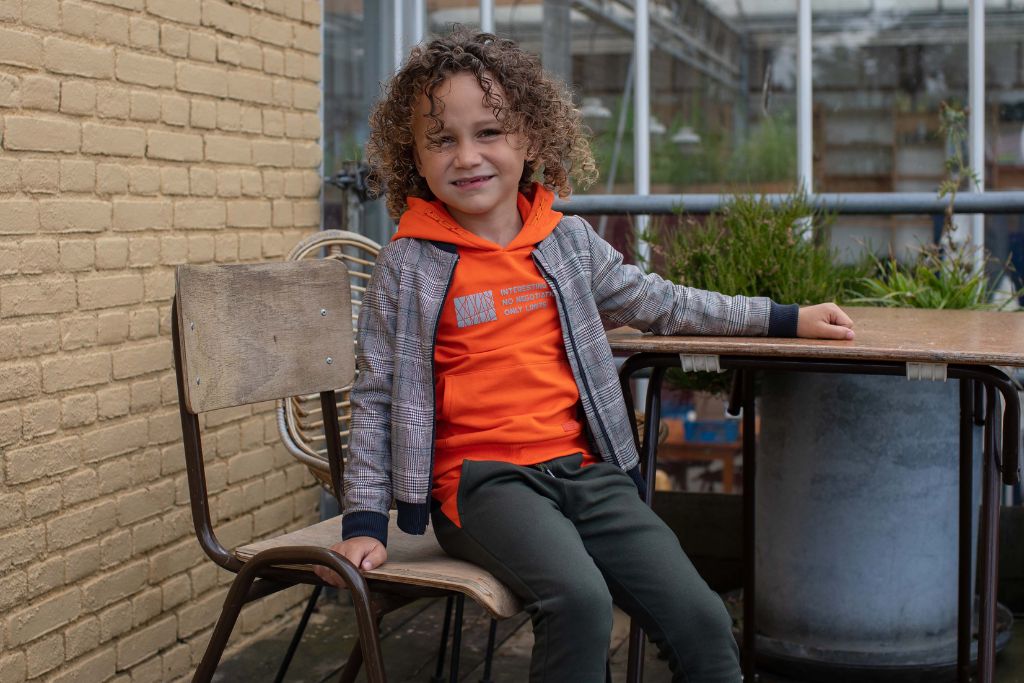
The 2026 winter season brings a vibrant energy to children's wardrobes, moving away from the muted, repetitive tones of previous years. This year, European designers are leaning into bold self-expression through high-performance gear. If you are looking for kids winter clothes that stand out in a crowd, the latest arrivals offer a refreshing change from the generic options found in local shopping centres. Leading the charge is B.Nosy, whose 2026 collection is defined by electric colour palettes and sporty cuts that appeal to active youngsters who want to look as good as they feel.
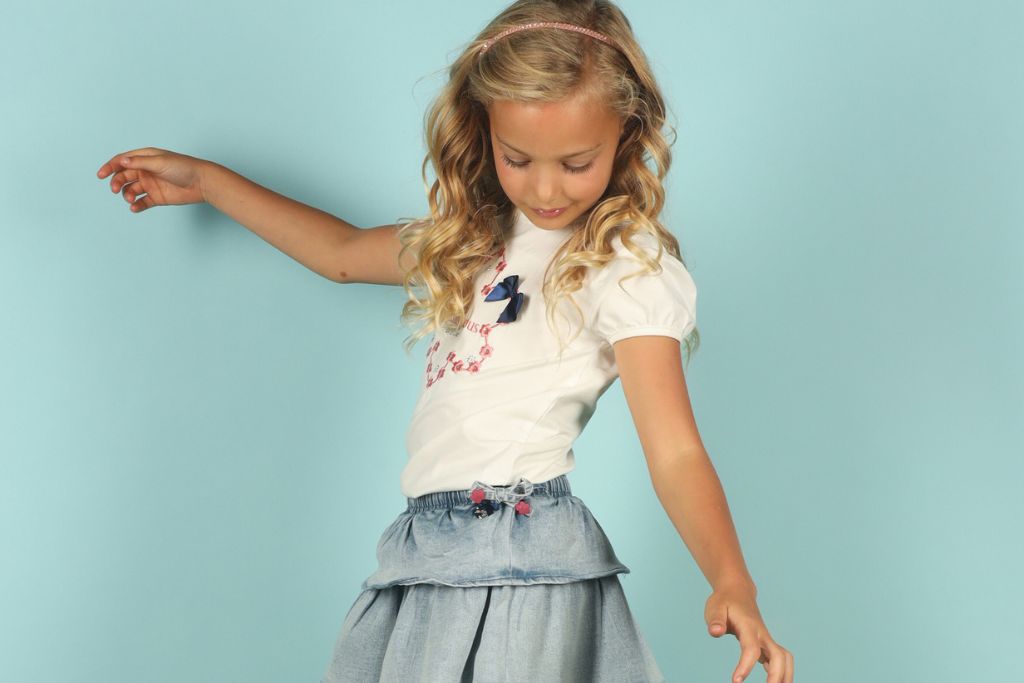
For those seeking a more refined look, Nono continues to dominate girls' winter fashion with a sophisticated aesthetic. Their designs often feature intricate details and tailored silhouettes that bridge the gap between casual playwear and formal occasion wear. Meanwhile, Like FLO is making waves by expertly mixing textures and prints. Think animal prints paired with chunky knits or velvet finishes on durable jackets. It is a unique approach that allows children to build a wardrobe as individual as they are. When selecting the right kids winter clothes for your family, you can browse the full Kids Secret Bestsellers collection to see how these styles come together.
Standout Pieces for Boys
TYGO & Vito has become the go-to brand for boys who need rugged outerwear that doesn't sacrifice style. Their 2026 puffer jacket is a prime example, offering heavy-duty insulation with a sleek, street-style finish that looks great with boots or sneakers. For layering, B.Nosy’s long-sleeve tees are essential. They provide a breathable base layer under heavier hoodies or coats. To complete the look, Quapi joggers offer a tailored designer fit. They are a far cry from standard trackies, providing a slim silhouette that stays comfortable all day long.
Must-Have Styles for Girls
Winter doesn't have to mean the end of dress season. NONO’s winter dresses are designed to be paired with thick, warm leggings, keeping girls cosy while maintaining a polished look. Like FLO’s knitwear is another highlight this year. They use incredibly soft textures that even the most tactile-sensitive kids actually want to wear. Finally, don't forget the finishing touches. B.Nosy’s range of accessories, including vibrant beanies and scarves, are the perfect way to complete an outfit while adding an extra layer of warmth for those frosty morning school runs.
The Art of Layering: A Practical Guide for Australian Parents
Mastering the art of layering is the only way to survive the erratic Australian winter. One moment you're shivering at the school gate, and the next, your little one is running around a heated classroom or a sun-drenched playground. Because our climate often delivers four seasons in a single afternoon, kids winter clothes need to be as versatile as they are stylish. A smart layering strategy ensures your child stays warm without overheating, making those daily transitions much smoother for everyone involved.
The foundation of any good outfit is a moisture-wicking base layer. Pure cotton is a fantastic choice here because it's breathable and soft against sensitive skin. This layer's job is to sit close to the body and manage moisture, preventing that damp, chilly feeling that occurs when kids get active. Insulation comes next. A quality mid layer, such as a designer knit or a fleece-lined sweatshirt, traps heat to keep the core warm. It's the engine room of the outfit, providing the thermal protection needed when the temperature drops below ten degrees.
The final shield is the outer layer. In most Australian cities, a heavy, wind-resistant jacket or a stylish gilet is often more useful than a bulky snow coat. This layer needs to block the wind and repel light rain while remaining easy to shed when the sun comes out. If you're ready to build a more functional wardrobe, you can shop the latest winter arrivals to find pieces designed for this exact purpose.
The Three-Layer System for Active Kids
- Step 1: Start with a breathable long-sleeve tee or a bodysuit for the younger ones. This provides a consistent thermal base.
- Step 2: Add a designer sweatshirt or a chunky knit. This layer adds core warmth and can be easily removed if the afternoon warms up.
- Step 3: Finish with a versatile gilet for milder days or a heavy jacket for those truly frosty mornings.
Mixing and Matching Designer Staples
Investing in a few high-quality basics simplifies the morning routine significantly. By choosing three key pieces from a brand like B.Nosy, you can often create up to five different outfits. The trick is to stick to a cohesive colour palette. When your jumpers, trackies, and tees all share complementary tones, getting dressed becomes a "no-fail" activity. This approach doesn't just save time; it ensures your child always looks put-together, regardless of which layers they decide to peel off during the day.
Finding the Perfect Fit: Sizing and Care for Designer Clothes
Shopping for kids winter clothes online can feel like a bit of a gamble if you are only used to local Australian sizing. European brands use a numerical system based on height rather than age. While it takes a moment to learn, this system is actually more precise. It helps you avoid the frustration of clothes that are too short in the arms or too tight across the chest. Once you've mastered the conversion, you'll find it much easier to build a wardrobe that fits your child perfectly from the first frost until the end of the season.
To get the best results, measure your child while they are standing against a flat wall without shoes. Measure from the top of the head to the floor to get their total height in centimetres. For trousers and leggings, it is also worth checking the inside leg measurement. Always compare these figures to the specific brand size chart rather than guessing based on what they are currently wearing. A quick five-minute measurement session can save you the hassle of returning items through the post.
European Sizing Simplified
European sizes such as 86, 92, and 98 represent the child's total height. For instance, size 92 is designed for a child who is approximately 92cm tall, which usually aligns with a standard Australian size 2. If your little one is right on the edge of a size bracket, always size up. This provides enough room for the layering system we discussed earlier and ensures the garment will still fit comfortably by late August. Keep in mind that brands like Quapi often feature a slimmer, more tailored European cut. If your child prefers a bit more wiggle room, going up one size is a smart move.
Making Quality Clothes Last
Designer garments are an investment. Proper care ensures they stay in "hand-me-down" condition for years. Always check the instructions required by the Consumer Goods (Care Labelling) Information Standard 2023 found on the inner tag. A golden rule for any parent is to turn clothes inside out before they go into the machine. This simple habit protects vibrant designer prints and delicate knits from the abrasive action of the wash cycle.
Air-drying is far superior to tumble drying for technical winter fabrics. High heat can damage the elasticity in leggings and degrade the weather-resistant coatings on jackets. Instead, dry your items on a rack in a shaded spot to maintain the fabric's integrity. When spring finally arrives, store your kids winter clothes in breathable cotton bags rather than airtight plastic tubs. This prevents moisture buildup and keeps natural fibres fresh. Taking the time to perform simple repairs, like tightening a loose button or cleaning a stiff zip, ensures these pieces are ready for a younger sibling or for resale next year.
Prepare Your Little Ones for a Stylish Season Ahead
Building a functional winter wardrobe doesn't have to be a seasonal struggle. By prioritising durable European fabrics and implementing a smart three-layer system, you can protect your children from the biting wind while ensuring they stay comfortable in heated classrooms. High-quality kids winter clothes provide the perfect blend of sophisticated style and rugged practicality, meaning you'll spend less time replacing worn-out items and more time enjoying the outdoors together.
If you're ready to upgrade their wardrobe with pieces that truly stand out, we are here to help. You can shop the Kids Secret Bestsellers Collection for the latest winter styles and discover over 600 unique designer items. From exclusive labels like B.Nosy and Quapi to our fast Australia-wide shipping, we make it easy to find premium gear that reflects your child's personality. Embrace the chilly months with confidence, knowing your family is equipped with the very best in designer fashion and durability.
Frequently Asked Questions
What are the best fabrics for kids winter clothes in Australia?
Natural fibres like organic cotton and merino wool are the top choices for the Australian climate. These materials regulate temperature effectively, which is vital when kids move between frosty mornings and sunny afternoons. For outer layers, look for recycled polyesters that offer wind resistance without the bulk of traditional snow gear. These high-performance fabrics ensure your kids winter clothes remain breathable and comfortable throughout the day.
How do European kids' sizes compare to Australian sizes?
European sizing is based on a child's total height in centimetres rather than their age. For example, a size 104 generally fits a child who is 104cm tall, which roughly translates to an Australian size 4. Because European cuts can be more tailored, it is often wise to size up if your child is between height brackets. This approach provides extra longevity and room for thick winter knits.
Are designer kids' clothes worth the extra investment?
Designer garments are a better financial choice due to their superior durability and high resale value. Unlike mass-produced items, these pieces use longer-staple fibres that resist pilling and fading over time. Many parents find that one high-quality designer jacket outlasts three cheaper alternatives. This shift towards slow fashion also means you can often sell these items on second-hand platforms once your child outgrows them.
What are the essential winter pieces every child needs?
Every Australian child needs a wind-resistant outer shell, two moisture-wicking base layers, and a versatile mid-layer like a fleece or knit jumper. A sturdy pair of reinforced joggers and a warm beanie are also non-negotiable for playground play. These essentials form a capsule wardrobe that handles varied temperatures. Investing in these core pieces ensures your kids winter clothes are practical enough for both school and weekend adventures.
How many layers should a child wear in winter?
A three-layer system is the most effective way to manage the Australian winter. Start with a breathable base layer to manage moisture, add a mid-layer for insulation, and finish with a wind-resistant outer shell. This setup allows children to peel off layers as the day warms up or during high-energy play. It is a flexible approach that prevents overheating while keeping the core temperature stable during the coldest mornings.
How do I care for designer kids' clothes to make them last?
Following the inside-out rule for every wash is the best way to protect designer prints and delicate fibres. Avoid the tumble dryer whenever possible, as high heat can damage technical fabrics and cause shrinkage. Instead, air-dry garments in the shade to preserve their colour and shape. Regularly checking zips and buttons for minor wear helps keep the garment in top condition for younger siblings or future resale.
Can kids wear summer clothes in winter with layers?
You can certainly incorporate summer staples like cotton t-shirts and dresses into a winter wardrobe by using clever layering. A summer dress works perfectly when paired with thick, designer leggings and a chunky cardigan. Short-sleeve tees can serve as an extra base layer for added core warmth. This strategy extends the life of your child's favourite pieces while adding a unique, personalised touch to their winter outfits.
What is the best way to store winter clothes during summer?
Storing winter gear in breathable cotton bags is the most effective way to prevent mould and fabric degradation. Avoid using airtight plastic tubs, as these can trap moisture and lead to musty smells or yellowing of natural fibres. Ensure all items are completely clean and dry before packing them away in a cool, dark place. This preparation ensures your premium winter pieces are ready for action as soon as the first cold snap arrives next year.


Leave a comment