


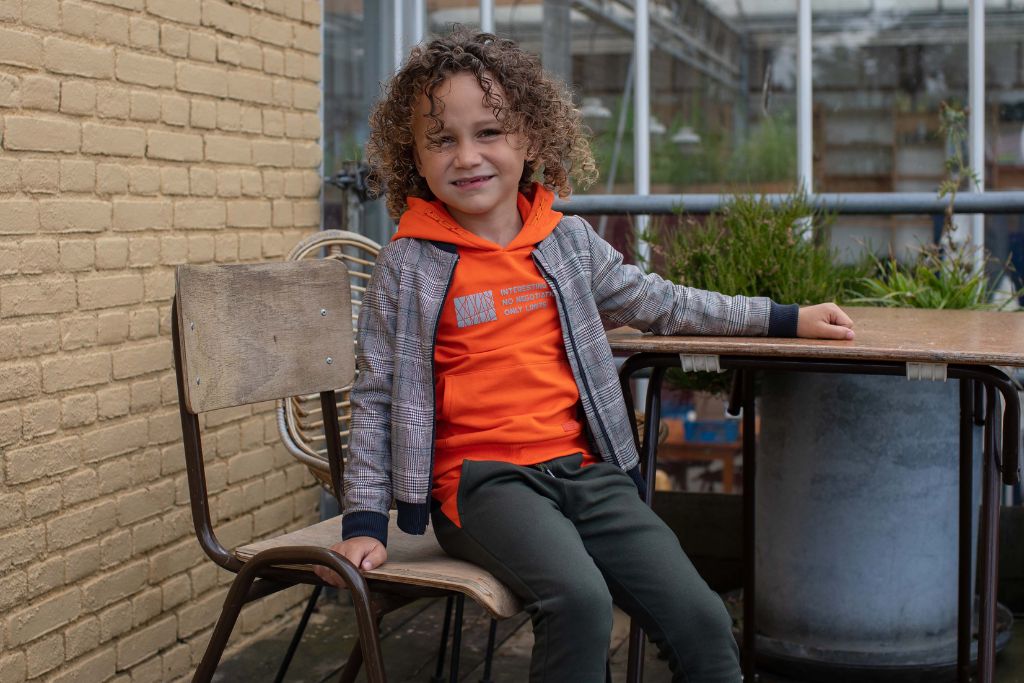




A great boys wardrobe should never ask him to choose between looking like himself and feeling comfortable. The best boys fashion does both: it gives him room to move, layers that work hard through changing weather, and details that make an ordinary outfit feel considered. For parents, it also needs to handle weekend plans, family outings, growth spurts and repeated washing without losing its shape or appeal.
That is why a thoughtfully chosen wardrobe matters more than a drawer full of throwaway pieces. Quality boys' clothing is not about dressing children like miniature adults. It is about finding well-made clothes with personality, practical fabrics and an easy fit that lets kids get on with being kids.
Boys fashion starts with how clothing feels
Children are honest about clothes. If a waistband digs in, a knit feels scratchy or a shirt is too stiff to climb, kick or lounge in, it will likely stay unworn. Comfort is not an afterthought in premium boys fashion. It is the foundation of a piece that earns its place in regular rotation.
Look for soft cotton jersey in tees and long-sleeve tops, breathable cotton blends for warm days, and knits with a smooth hand feel for cooler weather. Stretch is especially useful in jeans, chinos and joggers, helping support movement while good fabric recovery can help the garment retain its shape. A relaxed fit through the leg, an adjustable waist and considered seams can make a real difference to everyday comfort.
This does not mean every item needs to be oversized or sporty. A beautifully cut overshirt, smart trouser or tailored jacket can still feel easy when the fabric and construction have been chosen well. The aim is polish without restriction.
Build around the pieces he will actually wear
The most useful wardrobe begins with dependable favourites, then adds a few pieces that bring colour, texture or a stronger point of view. Rather than buying a complete outfit that only works one way, choose garments that can be combined across holidays, family lunches, weekend outings and birthday celebrations.
Start with a small base of quality tees, comfortable jeans or soft trousers, and shorts suited to the season. Neutral tones such as navy, stone, grey, cream and washed denim make getting dressed simple, while a striped top, graphic tee or colour-block sweatshirt can introduce personality without making styling difficult.
A good boys jumper is one of the hardest-working pieces in an Australian child’s wardrobe. It is useful on crisp mornings, cooler evenings and winter travel, and it can be worn over a tee or collared shirt when an outfit needs a little more finish. Choose a style with enough room for layering, but not so much bulk that it becomes awkward beneath a jacket.
Outerwear deserves particular attention. A lightweight jacket handles unpredictable spring weather, while a padded coat or wool-blend layer offers warmth for colder months. The right jacket can pull together simple denim and a tee in seconds, which is particularly helpful when getting out the door is already a negotiation.
Let personality lead the finishing touches
Boys do not need to wear loud clothing to make an outfit feel individual. Sometimes personality comes through in a favourite animal motif, an unexpected stripe, a rich forest green or a pair of patterned socks peeking out beneath trousers. These smaller choices allow children to express their taste while keeping the wardrobe versatile.
It is also worth giving him a say. A child who has chosen between two jumpers or picked the colour of his new jacket is far more likely to wear it. Parents can set the quality standard and guide the choices, while children bring the energy that makes an outfit feel like their own.
Boys fashion for parties and special occasions
Occasionwear for boys has moved well beyond stiff shirts and clothing that comes off the moment photos are done. A smart look can be comfortable, modern and appropriate for the way children actually move through an event.
For a wedding, celebration or special dinner, start with soft tailored trousers or neat chinos, then pair them with a cotton shirt, fine knit or well-cut overshirt. Deep blue, warm beige, olive and charcoal can feel more polished than head-to-toe black while remaining easy to rewear. A blazer can be a lovely addition for formal occasions, provided the shoulders fit comfortably and there is enough give for sitting, eating and playing.
The trade-off is that occasion pieces should not be bought solely for one afternoon if they can be avoided. A crisp shirt works again under a jumper, tailored trousers can be worn with sneakers and a tee, and a smart jacket can lift denim for a family lunch. Pieces with a longer life offer better value and make a wardrobe feel more intentional.
For casual weekends, keep the formula easy: a quality tee or polo, boys jeans or shorts, and a layer for changing conditions. This is where quality shows itself most clearly. Fabrics should feel good from the first wear, colours should stay fresh, and seams should hold their shape after many trips through the wash.
Choose quality with real life in mind
Premium children’s clothing should be admired, but it also needs to be lived in. Before choosing a piece, consider the fabric, finish and care requirements alongside its appearance. Delicate items have their place, particularly for special occasions, but everyday clothes should suit the rhythm of family life.
Natural fibres are often a strong choice because they are breathable and comfortable against the skin. Cotton is a trusted staple for tees, shirts and sweatshirts, while wool blends can offer warmth without excessive weight. Fabric composition matters, though, and so does construction. Check whether cuffs recover their shape, whether buttons are secure and whether knees and seat areas feel substantial enough for regular wear.
Fit is another part of longevity. Buying several sizes too large can make a child feel swallowed by the garment and may affect how often it is worn. Instead, allow a little growing room in adjustable-waist trousers, layering pieces and relaxed outerwear. For fitted shirts, jackets and formal trousers, a closer fit usually looks better now and feels more comfortable than excessive extra fabric.
Care labels should guide expectations. Some pieces require gentler washing or laying flat to dry, which can be worthwhile for a special knit or tailored item. For everyday essentials, machine-washable fabrics are often the practical choice. A wardrobe works best when there is a realistic mix of easy-care staples and a few more special pieces.
Create outfits that work across the seasons
Boys fashion in Australia often needs to work across changing temperatures rather than one clearly defined season. A cool morning can turn warm by lunchtime, and a summer evening can call for a light layer even after a hot day. Building outfits in layers gives children more control over their comfort and extends the wear of each piece.
In cooler months, begin with a breathable base layer such as a cotton tee, add a sweatshirt, cardigan or knit, then finish with a jacket when needed. Textured cord trousers, dark denim and heavier cotton joggers bring warmth without looking overly formal. In warmer weather, cotton shorts, lightweight shirts and relaxed tees keep outfits cool, while an overshirt or zip-up layer is useful for air-conditioned spaces and late afternoons.
Colour can help make seasonal dressing feel fresh. Earthy tones, navy and deep greens sit beautifully through autumn and winter, while soft blue, white, sand, citrus and brighter accents suit spring and summer. There is no need to retire favourite colours entirely, though. A well-chosen palette allows a tee, jacket or pair of trousers to move easily between seasons.
A smaller wardrobe can feel more stylish
More clothing does not always mean more outfit options. When every item has been chosen for comfort, quality and compatibility, a smaller wardrobe often makes mornings easier. It also helps children recognise their favourites and develop confidence in what they like wearing.
At Kids Secret, our boys clothes are chosen with this balance in mind: distinctive styles that still support the daily reality of active, growing children. The most worthwhile pieces are the ones he reaches for independently, whether he is heading to a party, the park or a relaxed weekend with family.
A considered wardrobe leaves room for both practicality and play. Choose the soft tee he will wear on repeat, the jacket that makes him stand taller, and the trousers that keep up with every plan. When clothes feel good, fit well and reflect his personality, getting dressed becomes one less thing to manage and one more way for him to feel confidently himself.
FAQs About Boys' Fashion
What are the current boys' fashion essentials?
A versatile boys' wardrobe can start with quality tees, comfortable jeans or trousers, seasonal shorts, a jumper or sweatshirt and a practical jacket. From there, add a few distinctive pieces such as a printed top, overshirt or textured knit that reflect his individual style.
How do you build a stylish boys' wardrobe?
Start with clothes he already enjoys wearing and choose pieces that work well together. A small base of comfortable neutrals makes everyday dressing easier, while colour, prints and interesting textures can add personality. Prioritise fit and comfort so the clothes are genuinely worn rather than simply looking good in the wardrobe.
How can boys dress smart casual?
For a boys' smart casual outfit, combine one polished piece with comfortable everyday clothing. Try a neat overshirt or jacket with a quality tee and chinos, or pair a fine knit with dark jeans and clean sneakers. The aim is to look considered without making the outfit feel overly formal.
What should boys wear to a special occasion?
For weddings, birthdays and family celebrations, boys can wear tailored trousers or chinos with a cotton shirt, fine knit or smart overshirt. A comfortable blazer or structured jacket can add extra polish when needed. Choose pieces that still allow plenty of movement throughout the event.
How should boys clothes fit?
Boys' clothes should allow comfortable movement without excessive fabric getting in the way. Adjustable waistbands can be useful in trousers and jeans, while jumpers and jackets need enough room for layering. More fitted pieces such as shirts and tailored jackets generally look and feel better when the shoulders and sleeves fit properly.
What fabrics are best for boys' clothing?
Cotton is a versatile option for many everyday tees, shirts and sweatshirts, while denim and cotton blends can work well for trousers and jeans. Wool and wool blends can provide useful warmth in cooler weather. The best fabric depends on the garment, season, fit and how it will be worn.
How do you dress boys for changing Australian weather?
Layering is particularly useful for changing temperatures. Start with a comfortable tee, add a sweatshirt, knit or overshirt and keep a jacket available for cooler conditions. Choosing layers that can be easily removed helps an outfit adapt as the temperature changes throughout the day.
How can boys develop their own fashion style?
Give children some choice within practical boundaries. Letting a boy choose between colours, prints, jackets or accessories can help him work out what he genuinely enjoys wearing. Parents can guide decisions around quality, fit and practicality while leaving room for personality and individual preferences.


Leave a comment