


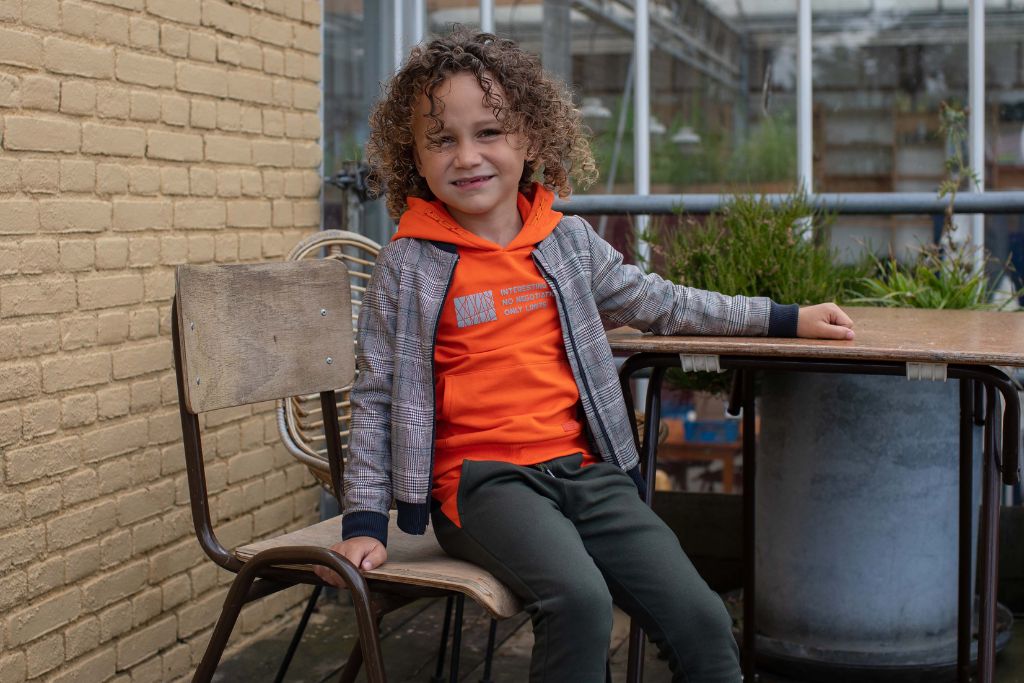
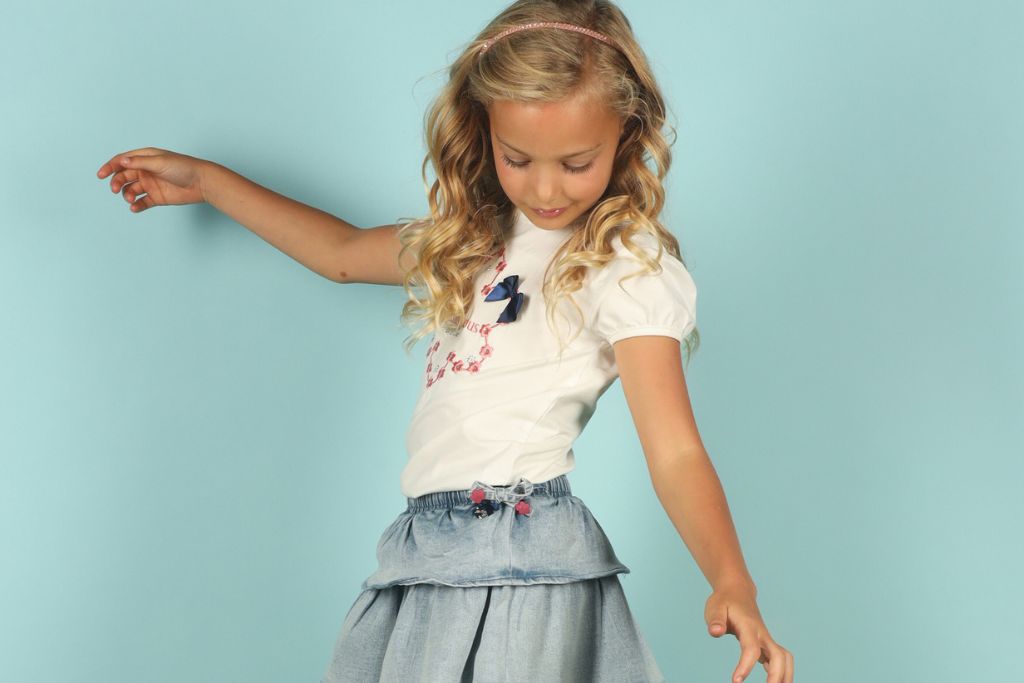




Some children are drawn to colour before they can explain why. They reach for the citron jumper, the cobalt dress, the coral tee - not because it matches anything in particular, but because it feels like them. For parents, bright kids clothes can be a joy to shop for when they strike the right balance between personality and practicality. The best bright kids clothes add colour without sacrificing comfort or versatility.
The trick is not simply choosing the boldest piece on the rack. It is choosing colour that wears well, feels comfortable, holds its shape and still looks considered after a busy day of school, birthdays, family lunches and everything in between. When bright clothing is thoughtfully made, it does more than stand out. It becomes part of a wardrobe that gets worn often and loved for longer.
Why bright kids' clothes keep earning a place in the wardrobe
There is a reason colour returns season after season in premium childrenswear. Bright shades bring energy to everyday dressing, but they also make outfits feel more individual. In a market crowded with safe neutrals and generic graphics, a vivid knit, patterned skirt or fresh-toned jacket can feel far more distinctive.
For younger children, bright pieces often encourage confidence because they are easy to recognise and easy to enjoy. For tweens, colour can be a more age-appropriate way to make a fashion statement than overly mature cuts or details. A well-designed bright piece allows personality to come through without pushing a child into clothing that feels too grown up.
There is also a practical side. Bright colours can be surprisingly versatile when the shape is simple and the fabrication is good. A strong pink sweatshirt with clean lines may work harder than a novelty top worn once and forgotten. The same goes for a sharp green overshirt, an orange knit or a printed dress with enough structure to layer across seasons.
What to look for before you buy
Colour gets attention first, but quality is what decides whether a piece deserves a place in the wardrobe. This matters even more with brighter garments because poor fabric or weak construction tends to show quickly. Fading, twisting seams and stretched necklines can make a once-beautiful item look tired much sooner than expected.
Start with fabric. Cotton with substance, soft brushed fleece, quality denim, breathable blends and knits that recover their shape all tend to support colour better. They also feel better on the body, which is half the battle with children. If a piece scratches, pulls or sits awkwardly, it will not matter how lovely the colour is.
Construction matters just as much. Look for clean finishes, secure stitching and details that have been considered rather than added for effect. Elastic waists should sit comfortably without digging in. Linings should improve wear, not create bulk. Fastenings should be manageable for the child’s age. Premium kidswear earns its keep when the garment works on a practical level as well as a visual one.
Choosing bright colours that actually get worn
Not every shade of bright kids' clothes behaves the same way in a wardrobe. Some are easy daily staples. Others are better for occasional wear. Knowing the difference helps you buy more intentionally.
Bright blues, greens, reds and warm pinks tend to integrate well with denim, navy, white, grey and cream. They are often the easiest starting point if your child usually dresses simply but wants more colour. A bright knit in one of these tones can be worn repeatedly without feeling difficult to style.
Neons are a different story. They can be fun, especially in sportier pieces or holiday dressing, but they are not always the most versatile option. The same goes for highly embellished items where colour competes with sequins, slogans or oversized prints. These pieces can still have a place, but they usually work best when they are a true expression piece rather than the backbone of a wardrobe.
Print is another consideration. Choosing bright kids' clothes in versatile colours and wearable prints helps each piece earn more time in your child's wardrobe. A bold floral, stripe or graphic check can be brilliant when the silhouette is restrained. If both the shape and print are loud, the piece may feel harder to wear. That does not mean avoiding statement dressing. It simply means thinking about how often the item will come out of the wardrobe and what can realistically be worn with it.
How to style bright kids' clothes without overcomplicating it
Parents often hesitate when buying bright kids' clothes because it seems harder to style. In reality, bright pieces are usually easiest when they are treated as the hero and everything else is kept clean.
A bright jumper with classic jeans is one of the simplest combinations in childrenswear, and it works for boys and girls across a wide age range. The same principle applies to a colourful skirt paired with a soft tee, or a vivid dress grounded with a plain cardigan and simple sneakers. Let the colour do the work. Colourful kids' clothes are often easiest to style when one vibrant piece becomes the focus of the outfit.
Layering helps, particularly during cooler months. A bright top under a neutral jacket or a colourful knit over a crisp base layer can make an outfit feel polished rather than busy. This is where better-made garments stand apart. They layer neatly, hold shape through wear and wash, and keep their finish.
For occasionwear, bright colours can feel especially fresh. A beautifully cut dress in fuchsia, emerald or cornflower often feels more modern than something overloaded with embellishment. For boys, a bright overshirt, fine knit or tailored short in a confident shade can lift an outfit without losing comfort. The best occasion pieces still allow movement, because children should be able to sit, run and celebrate without constantly adjusting what they are wearing.
Bright colour and practicality can live together
One of the most common assumptions about colourful childrenswear is that it is less practical. Sometimes that is true. Pale trims can mark easily, delicate fabrics may need more care and highly trend-driven pieces can date quickly. But bright does not automatically mean high maintenance.
The difference usually comes down to design choices. A machine-washable cotton dress in a rich print may be far more useful than a neutral item in a fabric that creases, snags or loses shape. A saturated sweatshirt can hide day-to-day marks better than a lighter tone. A lined jacket in a cheerful colour may become the one piece your child happily puts on without complaint.
It also helps to think in terms of rotation rather than one perfect outfit. Bright pieces do not need to match everything. They only need a clear role. Perhaps it is the fun knit for weekends, the standout party dress, the reliable coloured puffer for school mornings or the energetic tee that makes getting dressed easier. When a garment has a purpose, colour becomes part of its usefulness. That's when bright kids' clothes become everyday favourites instead of occasional statement pieces.
A better approach for growing children
Fit is often overlooked when parents are drawn to a colour or print. Yet with children growing quickly, shape matters just as much as style. If you size up too far in the hope of extra wear, a bright piece can lose its charm when it swamps the child. Sleeves bunch, proportions slip and the outfit feels more awkward than elevated.
A slightly relaxed fit can be sensible, particularly in outerwear or knitwear, but the garment should still sit well through the shoulders and body. Dresses should move comfortably. Waistbands should stay in place. Trousers and jeans should allow enough room for play without sagging. Good fit is what makes a bold item look intentional rather than borrowed.
This is one reason curated collections are so valuable. When the edit is thoughtful, you are not sorting through hundreds of pieces that look striking online but disappoint in fabric, fit or finish. You are choosing from garments designed to feel good, last well and offer something more distinctive than fast-turnover fashion. That is where boutique retailers such as Kids Secret stand apart, especially for parents who want colour with substance behind it.
When bright is not the right choice
There are moments when quieter clothing simply makes more sense. Some children prefer softer palettes, and forcing colour because it feels more fun on the hanger rarely works. Others are sensitive to texture or detail, and the most successful wardrobe for them may rely on calmer tones with occasional colour in accessories or layers.
School requirements, frequent washing and sibling hand-me-down plans can also influence what is worth buying. If a child needs hard-wearing basics for most of the week, it may be wiser to invest in one or two standout bright pieces rather than building the whole wardrobe around colour.
That does not take away from the appeal of bright dressing. It simply keeps the wardrobe honest. The best children’s style is not about following a trend perfectly. It is about finding pieces that feel joyful, wearable and well made enough to justify their place.
Bright clothing should feel easy, not overthought. When colourful children's clothing is paired with comfort, quality and a shape that lets children move like themselves, it stops being a special feature and starts becoming a natural part of getting dressed well.
FAQs
What colours work best in a child's wardrobe?
Bright blues, greens, reds and warm pinks are some of the easiest colours to style because they pair well with denim, navy, white, grey and cream. Choosing versatile colours means children can create more outfits with fewer pieces.
Are bright kids' clothes practical for everyday wear?
Yes. Bright kids' clothes can be just as practical as neutral clothing when they are made from quality fabrics. Many colourful garments are machine washable, durable and designed for everyday activities like school holidays, family outings and weekend play.
Do bright colours fade more quickly?
Not necessarily. Colour fading depends more on fabric quality, dyeing techniques and washing habits than the colour itself. Premium children's clothing generally holds its colour much better than lower-quality garments.
How do I style bright kids' clothes without making outfits look too busy?
The easiest approach is to let one colourful piece be the focus of the outfit. Pair a bright jumper, dress or skirt with simple denim, neutral jackets or plain tops to create a balanced, stylish look.
Are bright colours suitable for tweens?
Absolutely. Many tweens enjoy using colour to express their personality. Well-designed colourful clothing offers a modern, age-appropriate alternative to clothing that feels either too childish or too mature.
Should I choose bright colours or neutral basics?
A combination of both usually works best. Neutral basics provide versatility, while a few bright statement pieces add personality and make getting dressed more enjoyable. This creates a wardrobe that feels both practical and individual.
What fabrics are best for bright children's clothing?
Soft cotton, organic cotton, quality cotton blends, breathable knits and durable denim are excellent choices. These fabrics are comfortable, easy to care for and help garments maintain their colour and shape over time.
Why do many parents choose colourful European kidswear?
European children's clothing is often recognised for combining vibrant colours with premium fabrics, thoughtful construction and modern designs. Many parents appreciate that these garments feel distinctive while remaining comfortable and practical for everyday wear.


Leave a comment