


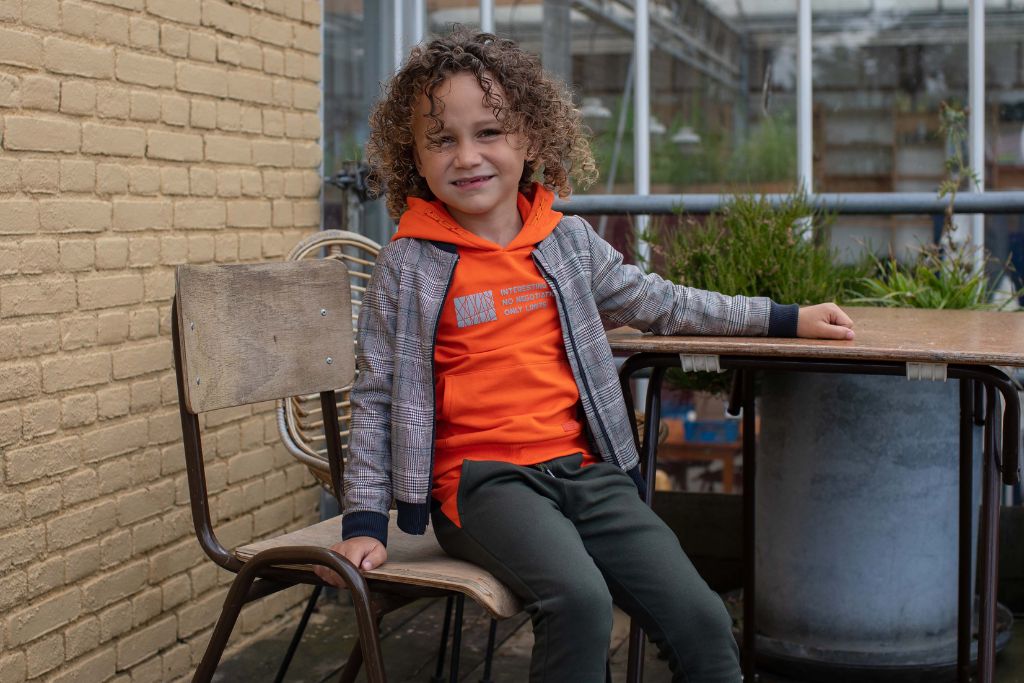
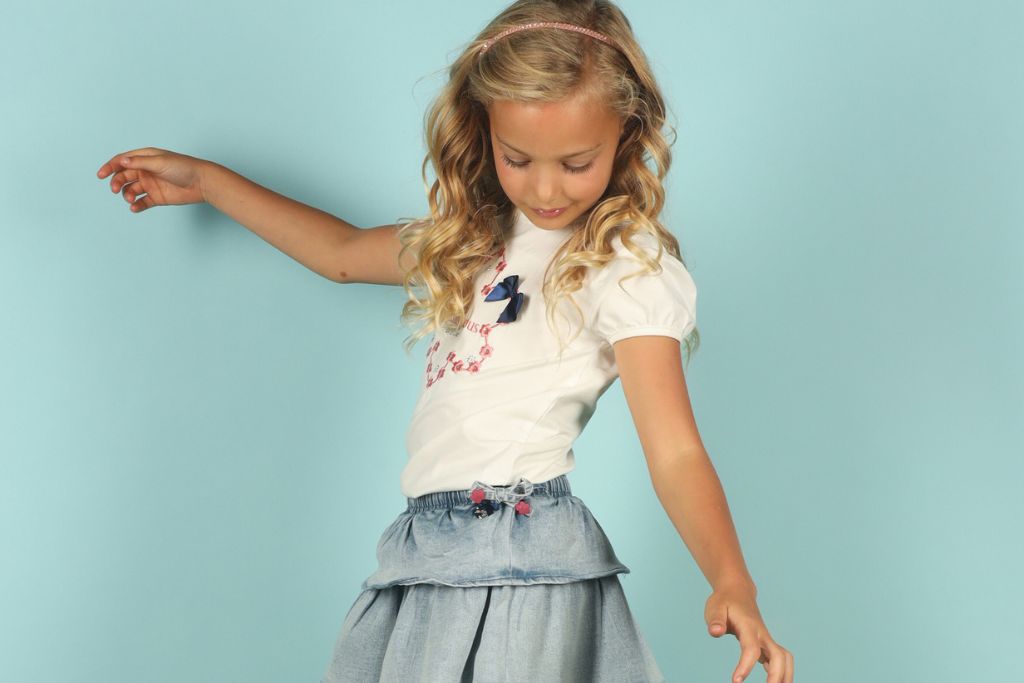



A tween who keeps tugging at a waistband, refusing a scratchy knit or changing out of an outfit before the family has left the house is giving useful feedback. Can tween clothes be comfortable while still looking considered, current and special enough for their growing sense of style? Absolutely. The best pieces do not ask children to choose between feeling like themselves and feeling at ease.
Tween dressing sits in its own category. Children at this age are becoming more particular about colour, silhouette and what feels ‘them’, but they still need clothes that can handle a birthday lunch, a day out, the back seat of the car and an impromptu game with friends. Comfort is not an afterthought. It is part of good design.
Why comfort matters more in tween clothes
The tween years bring quick changes in height, shape and confidence. A favourite pair of jeans can suddenly feel too short, a familiar neckline can feel too exposed, and a once-loved fitted top may no longer suit the way a child wants to move through the world. Clothing that fits well gives them one less thing to think about.
There is also a practical reason to prioritise comfort: clothes that children genuinely enjoy wearing tend to be worn more often. That makes a beautifully made jumper, soft jersey dress or easy pair of trousers a better wardrobe investment than a trend-led piece that spends its life folded in a drawer.
For parents, the goal is not a wardrobe made entirely of tracksuits. It is finding polished pieces with enough softness, stretch and ease to support real life. For tweens, it is being able to wear something they chose without wanting to change out of it an hour later.
What makes tween clothing genuinely comfortable?
Comfort is more than a soft fabric. It comes from the relationship between material, cut, construction and fit. A garment can look relaxed on the hanger yet feel restrictive if the armholes are too high or the waistband does not sit comfortably. Equally, a more tailored piece can feel wonderful when it has considered lining, a little stretch and room to move.
Start with fabrics that feel good against skin
Fabric is a good place to start. Our guide to the best fabrics for kids clothes looks more closely at cotton, linen, wool and blends and how they perform in children's clothing. Cotton jersey, for example, can be breathable, comfortable and easy to layer, making it a practical option for everyday tees, dresses and long-sleeve tops.
Soft knits in cotton blends, merino or fine wool can bring warmth without the bulky, itchy feeling that puts children off jumpers. The exact fibre mix matters. A knit with a small amount of elastane, for example, can recover its shape and move more easily, while a fully synthetic fabric may sometimes feel less breathable during an active day.
Linen and linen blends are lovely in warmer weather, particularly for relaxed shirts, skirts and shorts. Pure linen has a naturally crumpled look and can feel less stretchy, so it often works best in looser silhouettes. For occasionwear, a soft cotton lining can make a significant difference beneath tulle, lace or a more structured outer fabric.
Look closely at fit, not just the size label
Sizing is guidance, not a verdict. Designer labels can vary, and growth spurts rarely arrive on schedule. Rather than sizing up automatically, consider the child’s proportions and how they prefer their clothes to sit. Some tweens like an oversized sweatshirt or girls jeans with a relaxed or wide-leg fit, while others feel most confident in a neater silhouette.
Pay attention to the details that cause discomfort first: waistbands that dig in when sitting, sleeves that pull when reaching, necklines that rub, hems that ride up and denim with no give. Elasticated or adjustable waists are especially useful for growing bodies, while a little stretch in jeans and trousers can transform how often they are worn.
A good fit also leaves room for movement. A dress should allow a child to sit cross-legged. A jacket should work with a knit underneath. Shorts should not need constant adjusting during a busy afternoon. These are simple tests, but they reveal far more than a size tag.
Thoughtful construction makes a difference
The small, less visible details are often what separate a garment that photographs well from one a child reaches for repeatedly. Flat or carefully finished seams can help minimise rubbing. Soft labels, or labels placed away from the neck, can help children who are sensitive to texture. Smooth linings and covered elastic create a more comfortable finish without compromising the look of a piece.
Buttons, zips and fastenings deserve consideration too. They should be secure and easy enough for the child to manage independently. For younger tweens, back zips on a party dress may be perfectly fine for an event, but an everyday outfit is usually more successful with pull-on styling, front buttons or an elasticated waist.
Can tween clothes be comfortable for special occasions?
Yes, although the balance shifts slightly. A formal dress, crisp shirt or tailored jacket will naturally feel different from weekend loungewear. The key is to avoid treating discomfort as the price of looking smart.
For celebrations, choose one feature piece and keep the rest easy. Girls party dresses with comfortable linings and uncomplicated shapes can feel special without making movement difficult. A tulle skirt can be paired with a soft cotton top. A statement dress feels more wearable with a gentle lining and uncomplicated shape. A smart overshirt works beautifully over a breathable tee and comfortable trousers. This approach keeps the outfit polished while allowing the child to enjoy the occasion rather than count down until they can change.
Shoes matter here as well. Even the most thoughtfully chosen outfit can unravel with stiff new footwear. Allow time to wear shoes in at home, check that socks work with the style, and keep the event schedule in mind. A long wedding day calls for a different choice from a short family dinner.
Building a wardrobe that feels like them
Tweens are often ready to have more say in what they wear. Giving them a voice does not mean handing over every decision. It means creating a well-chosen range of options where comfort, quality and age-appropriate style are already built in.
Begin with versatile tween and teen clothing that can form the foundation of different outfits: soft tees, comfortable denim or trousers, easy shorts, quality knits and layers that work across changing temperatures. From there, add personality through colour, prints, textured fabrics, a special jacket or a dress that feels distinctly theirs. When the base wardrobe is comfortable, the more fashion-forward pieces become easier to wear and style.
It helps to think in outfits rather than isolated purchases. Before choosing a new skirt, ask what top will feel good with it. Before investing in a statement jacket, consider whether it fits over their favourite knit. This makes dressing simpler for busy mornings and gives each piece more opportunities to be worn.
At Kids Secret, the most appealing designer pieces are often those that combine a clear point of view with practical details: European styling, beautiful colour, quality fabric and cuts designed for movement. That combination is what makes premium children’s clothing feel considered rather than precious.
A few signs a piece will earn its place
When shopping online, product images tell only part of the story. Fabric descriptions, fit notes and close-up details can help you assess whether something will suit your child’s day-to-day life. Consider whether the material has stretch, whether the waist is adjustable, if the garment is lined, and how it will layer across the season.
It is also worth being honest about your child’s preferences. A child who dislikes anything fitted may not suddenly love a slim-cut trouser because it is fashionable. Someone who avoids scratchy fabrics will notice a decorative collar long before anyone else admires it. Their preferences are not obstacles to great style. They are the information that leads to better choices.
The most successful tween wardrobe has room for changing tastes, growing bodies and a little experimentation. Choose clothes that feel good from the first try-on, and your tween can focus on the far more important business of enjoying where the day takes them.
FAQs About Comfortable Tween Clothes
Can tween clothes be comfortable and stylish?
Yes. Comfortable tween clothes can still feel current and stylish when fabric, fit and construction work together. Look for soft materials, room to move and practical details, then let colour, prints, silhouettes and accessories reflect your tween's individual style.
What fabrics are comfortable for tween clothes?
Cotton jersey is a versatile option for everyday tops and dresses, while cotton blends can provide useful stretch. Fine knits and appropriate wool blends can work well in cooler weather, and linen or linen blends are useful for relaxed warm-weather clothing. The best fabric depends on the garment and how it will be worn.
How should tween clothes fit?
Tween clothes should allow comfortable movement without requiring constant adjustment. Waistbands should feel comfortable when sitting, sleeves should allow easy movement and jackets should have enough room for appropriate layers underneath. Some tweens prefer relaxed silhouettes while others feel better in a neater fit.
Should I size up when buying tween clothes?
Not automatically. Buying too large can affect both comfort and how a garment sits. Check the brand's size guide and measurements where available, then consider the intended fit. Adjustable waists, relaxed outerwear and layering pieces may offer some useful growing room.
What clothes should a tween have in their wardrobe?
Useful foundations can include comfortable tees, jeans or trousers, shorts, jumpers, seasonal layers and a few more distinctive pieces that reflect their personality. The exact mix should depend on what your tween genuinely enjoys wearing and the climate where you live.
Can tween party clothes be comfortable?
Yes. Look for party dresses, skirts, shirts and jackets with comfortable linings, manageable fastenings and enough room to sit and move. Pairing one statement piece with softer, simpler clothing can also make a special-occasion outfit easier to wear.
How can I help my tween develop their own style?
Give them meaningful choices within practical boundaries. Parents can guide decisions around quality, fit and suitability while tweens choose between colours, prints, silhouettes and pieces they genuinely enjoy. Their existing favourites are often a useful clue to what they will actually wear.
What should I look for when buying tween clothes online?
Read the fabric composition, fit notes, measurements and care instructions rather than relying on product photos alone. Look for details such as adjustable waistbands, stretch, lining and garment length, and compare measurements with clothes your tween already finds comfortable.


Leave a comment