


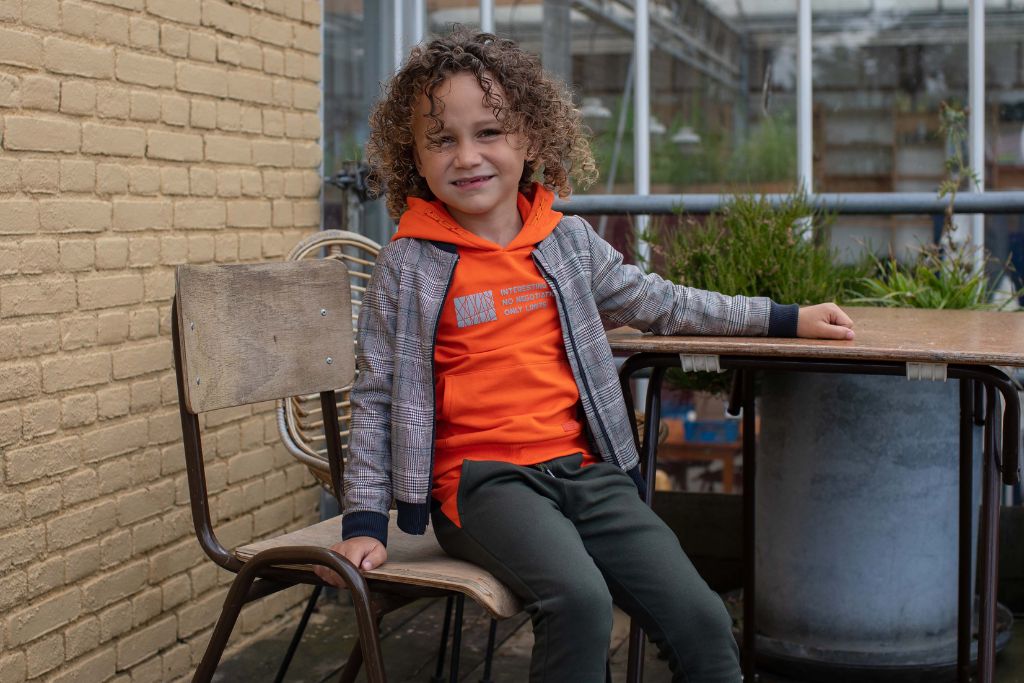
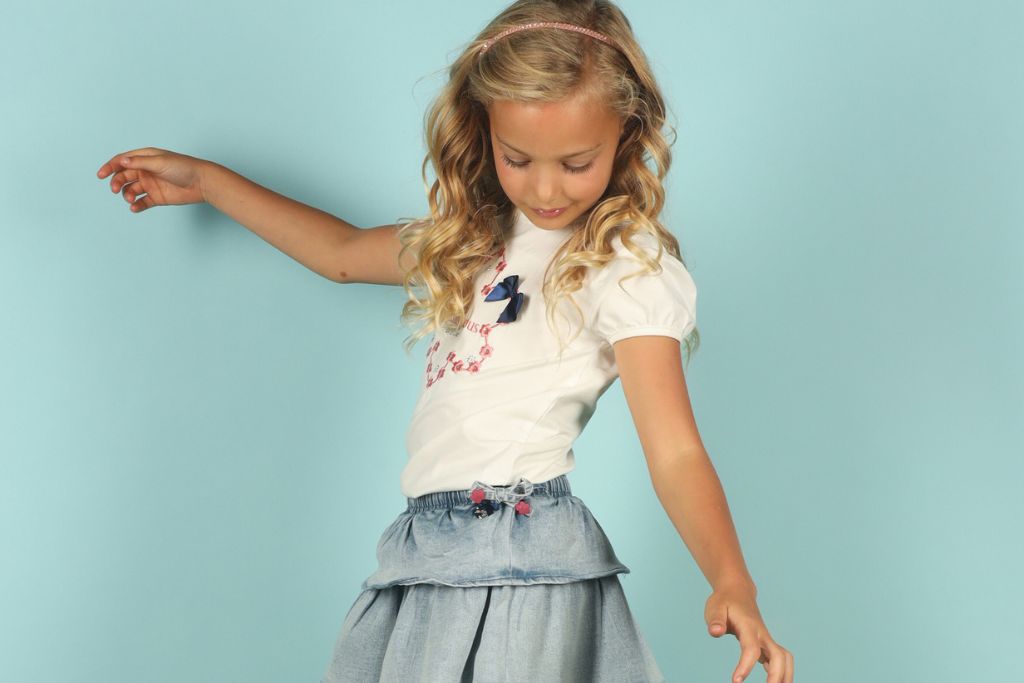



One look at a scratchy seam, a stiff waistband or a jacket that loses shape after two washes, and the appeal of cheap kidswear starts to wear thin. For families shopping for designer kids clothes offers more choice than ever, but the real difference is not just the label. It is how a piece feels on the child, how it holds up over time and whether it earns its place in a busy wardrobe.
Premium children’s fashion has shifted well beyond special-occasion dressing. Parents are increasingly choosing better-made pieces for everyday wear because they want more from the clothing they buy - more comfort, more longevity and more personality. When a child reaches for the same jumper every week because it is soft, easy to move in and still looks polished, that is usually a sign of thoughtful design rather than trend alone.
Why designer kids clothes feel worth it
The strongest designer collections for children are not miniature versions of adult fashion with practicality added as an afterthought. They are built around movement, fit and fabric from the start. That matters when you are dressing children who are climbing, running, sitting through school events, heading to birthdays or simply wanting to feel like themselves.
A well-made pair of jeans, for example, sits differently on the body. The denim tends to have better recovery, the cut is more considered and the finishing is cleaner. The same goes for dresses that hold their shape, jackets with proper structure and jumpers that stay soft instead of turning rough after repeated washing. These are small details, but they change how often a piece is worn.
There is also the question of style. Many parents are not looking for flashy branding or fashion that feels too grown up. They want age-appropriate clothing with a point of view - pieces that look elevated without sacrificing comfort. This is where curated European kidswear often stands out. It tends to balance modern design with wearability, offering colour, texture and silhouette in a way that feels fresh rather than forced.
What to look for when buying designer kids clothes
Shopping premium kidswear online can be easier than shopping in person, but only if you know what signals quality. Fabric is the first place to look. Soft cottons, breathable blends, knits with a comfortable hand feel and outerwear with a substantial finish usually tell you more than a campaign image ever will.
Construction matters just as much. Look closely at waistbands, closures, linings and cuffs. Children notice discomfort quickly, and they will avoid pieces that pinch, ride up or feel heavy. Parents notice something else - whether a garment still looks good after regular wear. Strong stitching, stable shape and materials that wash well are what turn a nice-looking item into a smart buy.
Fit is another area where premium brands often justify the price. Better design tends to account for proportion more carefully, especially across tweens and teens where size jumps can become awkward. A piece can be fashion-forward, but if the sleeve is too long, the rise is wrong or the shoulder sits poorly, it will spend more time in the wardrobe than on the child.
Then there is versatility. The best buys are rarely the most dramatic ones. They are the dresses that work with sandals now and boots later, the jacket that sharpens up a simple outfit and the top that feels special while still being easy to wear. Occasionwear has its place, of course, but everyday premium staples often deliver the best value per wear.
Style matters, but comfort decides everything
Children are honest dressers. If something does not feel right, they will tell you - or they simply will not wear it. That is why comfort sits at the centre of good designer childrenswear, even when the look is fashion-led.
Soft linings, flexible waists, easy layers and breathable materials can make the difference between a favourite piece and a one-time wear. This is particularly true for younger children and tweens, who are often more aware of feel than adults expect. Clothing has to work with their day, not interrupt it.
For parents, this is where premium buying becomes more practical than indulgent. A child who happily wears the same beautifully made skirt, jumper or jacket on repeat is getting real use from it. The cost per wear starts to make sense. A cheaper option that stays in the drawer because it is itchy or awkward does not actually save money.
The categories worth investing in
Not every item in a child’s wardrobe needs to be designer, and most parents know that. The smartest approach is often selective. Focus on the categories where quality changes the wearing experience most.
Outerwear is one of the clearest examples. Jackets and coats need structure, comfort and durability, especially through cooler months. Better fabrics and construction tend to show immediately here, both in appearance and performance.
Denim is another strong category for investment. Children move constantly, so stretch, recovery and cut all matter. Cheap denim can lose shape quickly, while better-made jeans keep their fit and finish far longer.
Dresses and occasionwear are also worth careful consideration, especially when photos, parties and family events are involved. The right piece should feel polished without being fussy. It should allow movement, sit comfortably and still look special. That balance can be surprisingly hard to find in mass-market ranges.
For boys, premium shopping often solves a common frustration: limited stylish options. Well-curated collections tend to offer more than basics, with better shirts, elevated tees, smart shorts, polished knits and jackets that feel distinctive without being overdone.
Why curation matters more than endless choice
One of the biggest challenges in online shopping is not lack of options. It is too many options that all start to look the same. A boutique-style edit can make premium shopping feel more straightforward because the filtering has already been done with quality, design and wearability in mind.
That curation matters for busy parents. Instead of scrolling through pages of generic styles, you can shop by age, season, category or occasion and find pieces that feel considered from the outset. It also helps gift buyers, who may know they want something beautiful and useful but do not want to second-guess quality.
This is where a store like Kids Secret has clear appeal. A tightly chosen range of European designer labels creates a different shopping experience from a broad department-style catalogue. It feels more intentional, and that confidence matters when you are buying for growing children with specific preferences.
The trade-off every parent weighs
Designer kidswear is not the right answer for every purchase. Children grow quickly, tastes change and some pieces will naturally have a shorter life depending on age and activity. A white top for a messy art-filled summer, for instance, may not need the same investment as a winter coat or a statement dress.
But the equation changes when quality improves wear frequency, comfort and longevity. It also changes when younger siblings can wear the piece later, or when a garment keeps its shape well enough to pass on. Premium clothing does not have to mean buying more. Often, it means buying fewer things with more intention.
That is why many families build wardrobes around a mix. They invest in standout staples, reliable denim, special dresses, quality outerwear and versatile layers, then fill in the gaps with simpler basics. It is a practical approach that still leaves room for style and self-expression.
Finding pieces children genuinely love to wear
The most successful purchases usually sit at the intersection of child and parent priorities. The child wants something that reflects their personality. The parent wants quality, comfort and value. Good designer childrenswear manages both.
For girls, that might mean a dress with a fashion-forward cut in a soft fabric that does not restrict movement. For boys, it could be a jacket or shirt that feels smarter than standard casualwear but is still comfortable enough for regular use. For tweens and teens, the sweet spot is often elevated clothing that feels current without pushing too far into adult styling.
This is where premium fashion earns its place. It gives children room to express taste while giving parents confidence in how the garment is made. That confidence does not come from branding alone. It comes from thoughtful fabrics, reliable fit, careful finishing and a shopping experience that supports the decision with clear sizing, flexible payment options, prompt dispatch and straightforward returns.
If you are choosing designer kids clothes in Australia, the best place to start is not with what looks impressive on screen. Start with what your child will want to wear again next week, next month and next season. When style, comfort and quality meet in the same piece, the choice tends to feel easy.
Frequently Asked Questions
Are designer kids clothes worth the investment?
Designer kids clothes can offer excellent value when they are worn regularly and passed down to younger siblings. Premium brands often use higher-quality fabrics, stronger stitching and better construction, helping garments maintain their shape, colour and comfort for longer. While the upfront cost may be higher, the cost per wear is often lower than cheaper clothing that needs replacing frequently.
What should I look for when buying designer kids clothes?
When shopping for designer kids clothes, focus on fabric quality, fit, comfort and construction rather than the brand name alone. Look for soft, breathable materials, strong stitching, comfortable waistbands and versatile designs that can be worn across different seasons and occasions. Well-made pieces should feel comfortable and hold up to regular wear and washing.
Why are European designer kids clothes so popular?
European designer kids clothes are known for combining style, comfort and practicality. Many European brands focus on premium fabrics, thoughtful details and age-appropriate designs that allow children to move freely while looking stylish. Parents also appreciate the durability and unique designs that help these pieces stand out from mass-produced fashion.
Which designer kids clothes are worth investing in?
Outerwear, denim, dresses and knitwear are often the best categories to invest in. High-quality jackets and coats provide better warmth and durability, while premium denim tends to hold its shape longer. Designer dresses and knitwear can also offer greater comfort, better fit and a more polished appearance for both everyday wear and special occasions.
How can I make designer kids clothes last longer?
To extend the life of designer kids clothes, follow the care instructions carefully, wash garments at lower temperatures where possible and avoid over-drying. Turning clothes inside out before washing can help protect colours and fabrics. Proper care helps preserve the quality, fit and appearance of premium clothing so it can be enjoyed for longer and even passed down to younger siblings.


Leave a comment