


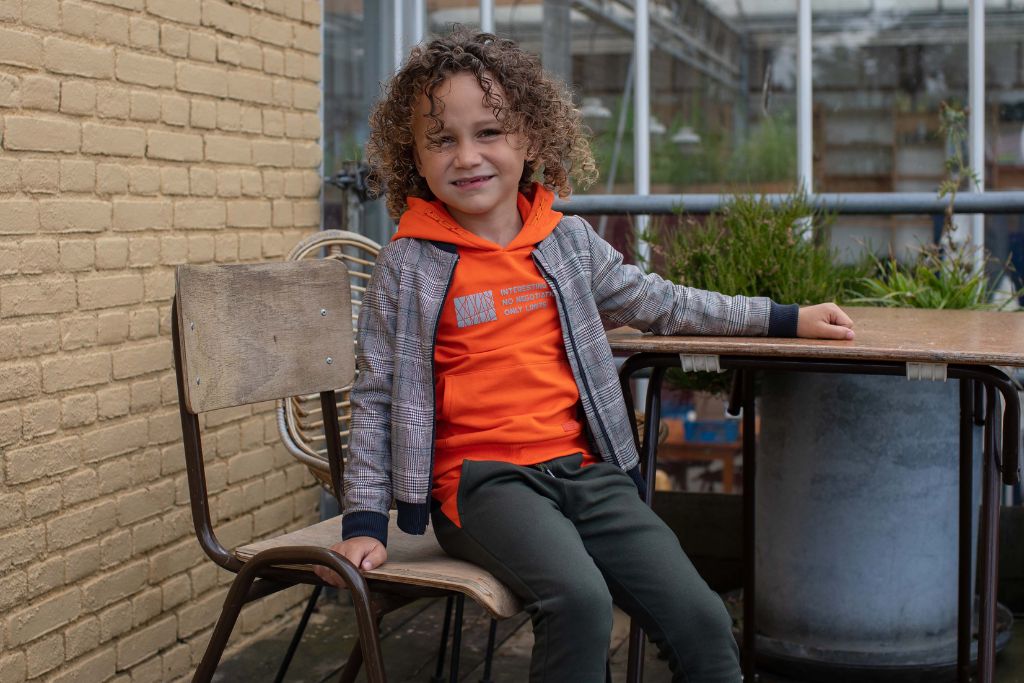




When winter arrives, many parents face the same challenge: keeping their children warm without turning them into little marshmallows who can barely move.
The good news is that staying warm doesn't require piling on endless layers. The secret is choosing the right kids winter clothes and layering strategically. When done properly, children stay comfortable, can move freely, and are ready for everything from school drop-offs to weekend adventures.
Here's how to master winter layering without the bulk.
Why Layering Works Better Than One Heavy Jacket
Many parents assume the thickest coat is the warmest option. In reality, several lightweight layers often provide better insulation than a single bulky garment.
Layering creates pockets of warm air between clothing, helping regulate body temperature throughout the day. It also allows children to adapt as conditions change.
For example:
-
Cold morning school run? Add all layers.
-
Sunny afternoon playground session? Remove a layer.
-
Indoor activities? Stay comfortable without overheating.
The flexibility makes layering one of the smartest winter dressing strategies.
The Three-Layer Rule for Kids
The easiest way to build a practical winter outfit is to think in three simple layers.
Layer 1: The Base Layer
The base layer sits closest to the skin.
Its job is to keep children comfortable by helping manage moisture and maintaining warmth.
Look for:
-
Soft cotton blends
-
Lightweight thermal tops
-
Comfortable long-sleeve basics
-
Breathable fabrics that won't irritate sensitive skin
Avoid overly thick pieces at this stage. The base layer should feel like a second skin.
Layer 2: The Insulating Layer

This is where most of the warmth comes from.
The middle layer traps body heat and creates insulation without adding excessive weight.
Great options include:
-
Knit jumpers
-
Fleece pullovers
-
Lightweight quilted vests
-
Soft cardigans
A well-chosen insulating layer can often replace the need for multiple bulky garments.
Layer 3: The Protective Outer Layer
The outer layer shields children from wind, rain and cold temperatures.
Look for:
-
Winter coats
-
Water-resistant outerwear
-
Windproof jackets
The key is choosing outerwear that is warm but not restrictive. Children should still be able to run, climb and play comfortably.
Prioritise Fit Over Thickness
One of the biggest winter dressing mistakes is buying oversized clothing to "fit more layers underneath".
While a little room is helpful, excessively large garments can actually reduce warmth by allowing cold air to circulate.
Instead, choose pieces that:
-
Allow natural movement
-
Sit comfortably over existing layers
-
Are fitted enough to retain warmth
-
Don't restrict arms or shoulders
The best kids winter clothes balance comfort, warmth and mobility.
Don't Forget the Extremities

Even the perfect layered outfit can feel cold if hands, feet and heads aren't protected.
A surprising amount of body heat escapes through exposed areas.
Complete winter outfits with:
-
Comfortable scarves
-
Quality socks
-
Gloves for particularly cold days
Often these small additions provide more warmth than adding another bulky jumper.
Choose Versatile Pieces That Mix and Match
A smart winter wardrobe doesn't need dozens of items.
Instead, focus on versatile pieces that can be layered together in different combinations.
For example:
-
Long-sleeve tops that work under jumpers
-
Neutral knitwear that pairs with multiple outfits
-
Jackets suitable for school, outings and weekends
-
Comfortable leggings or pants that layer easily
This approach simplifies morning routines and creates more outfit options with fewer garments.
Comfort Always Comes First
Children are far more likely to wear winter clothing when it feels comfortable.
Scratchy fabrics, stiff jackets and overly bulky layers often end up abandoned after a few minutes.
When shopping for winter clothing, prioritise:
-
Soft fabrics
-
Easy movement
-
Lightweight warmth
-
Practical designs
Comfortable children stay warmer because they're happy to keep their layers on.
Build a Winter Wardrobe That Works Harder
The best winter wardrobes aren't necessarily the biggest. They're simply built around versatile, quality pieces that work together.
By focusing on smart layering rather than bulk, your child can stay warm, comfortable and ready for every winter adventure.
Whether it's school mornings, family outings or weekend playdates, the right layering strategy helps children enjoy winter without feeling weighed down.
Shop Kids Winter Clothes
Looking for stylish winter essentials designed for comfort, warmth and everyday wear?
Explore the Kids Secret kids winter clothes collection and discover versatile pieces perfect for building easy, practical winter outfits for the season ahead.
Here are 8 SEO-friendly FAQs you can add directly beneath the article. They target genuine parent concerns while supporting related long-tail searches.
Frequently Asked Questions
How many layers should children wear in winter?
Most children stay comfortable with three layers: a base layer, an insulating middle layer, and a protective outer layer. This approach helps regulate body temperature while allowing flexibility as weather conditions change throughout the day.
What is the best base layer for kids in winter?
Soft, breathable fabrics such as cotton blends or lightweight thermals work best as a base layer. These materials help keep children comfortable while providing an extra layer of warmth close to the skin.
Is it better to layer clothes or wear one thick jacket?
Layering is usually more effective than relying on a single heavy jacket. Multiple lightweight layers trap warm air between garments, providing better insulation while allowing children to move freely and adjust their clothing as temperatures change.
How do I know if my child is too cold?
Signs that a child may be too cold include cold hands or feet, shivering, complaining about the temperature, or appearing uncomfortable outdoors. Regularly checking exposed skin and asking how they feel can help ensure they are dressed appropriately.
Can children overheat from wearing too many winter clothes?
Yes. Overdressing can cause children to overheat, especially when moving between outdoor and indoor environments. Layering makes it easy to remove clothing as needed and helps maintain a comfortable body temperature throughout the day.
What winter clothes should every child have?
A practical winter wardrobe should include long-sleeve tops, knit jumpers, warm pants, a quality winter jacket, comfortable socks, and accessories such as beanies and scarves. These essentials can be mixed and matched to create versatile winter outfits.
How should I dress my child for school during winter?
For school, dress children in comfortable layers that can be easily adjusted throughout the day. A long-sleeve top, warm jumper, and weather-appropriate jacket are often sufficient for most Australian winter conditions.
What fabrics keep children warmest in winter?
Fleece, wool blends, thermal fabrics and quality knitwear are excellent choices for winter. These materials provide warmth without excessive bulk, making them ideal for active children who need both comfort and freedom of movement.


Leave a comment