


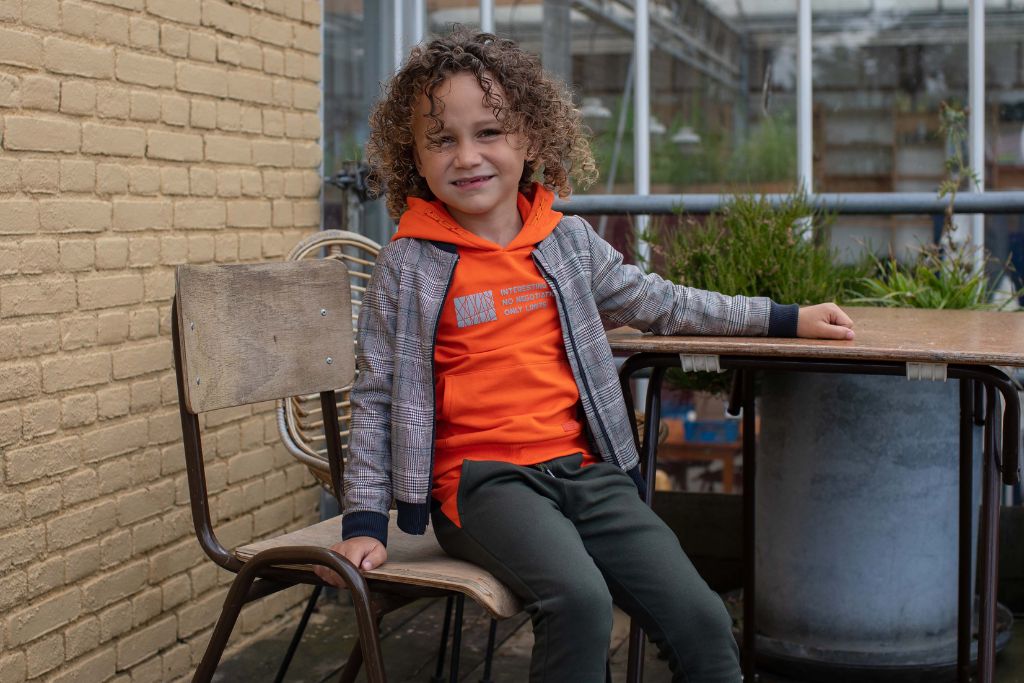
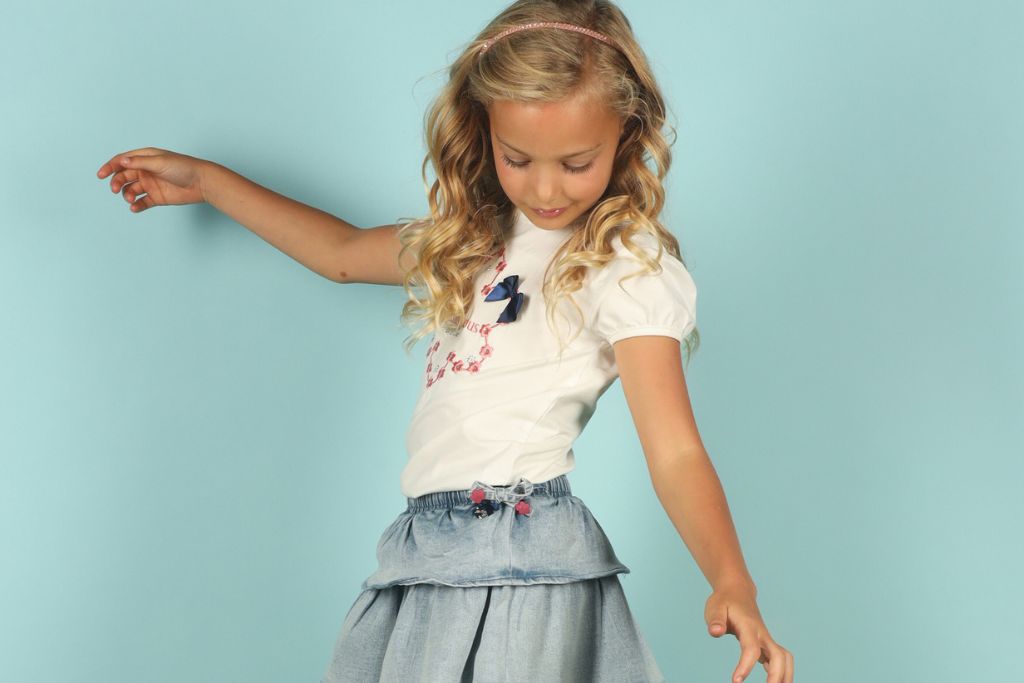




A beautifully cut party dress, a soft cotton logo tee or a favourite pair of European denim can quickly become the piece your child reaches for first. Knowing how to wash designer kidswear means those much-loved clothes can handle real childhood - lunch spills, playground dust and repeat wears - while helping to protect their colour, shape and special finishing details.
Premium children’s clothing is made to be worn, not stored away. Still, finer fabrics, thoughtful trims and richer dyes benefit from a little more care than a standard mixed wash. The best approach is rarely complicated. It is about reading the garment label, separating wisely and choosing the gentlest effective option for the piece in front of you.
Start with the care label, not the laundry habit
Every designer garment should be washed according to its own care label. This sounds obvious, but it is the most useful rule in a busy household. Two tops that look almost identical may need completely different care: one may be machine washable cotton, while the other contains wool, silk, metallic thread or a delicate appliqué that needs hand washing.
Check the label before the first wash and again if you are unsure. Look beyond the temperature symbol. Instructions about tumble drying, ironing and dry cleaning are just as important, especially for occasionwear, tailored jackets, pleated skirts and garments with textured details.
Cooler washing temperatures can be suitable for many garments, but always follow the temperature shown on the care label. For a heavily soiled white cotton tee, the label may allow a warmer wash. For a dark floral dress or bright knit, cool water is generally the safer choice. The label always wins.
How to wash designer kidswear before stains settle
How quickly and appropriately a stain is treated can make a significant difference to the result. Treat spills as soon as practical, particularly tomato sauce, berries, grass, sunscreen and oily foods. Our guide to stain removal products for kids' clothes explains how to approach different stains while considering the fabric underneath.
Use a small amount of a gentle stain treatment on an inconspicuous area first, particularly on richly coloured garments. Avoid harsh bleach or strong spot cleaners unless the care label specifically allows them. They can lift colour, weaken elastic fibres and leave pale patches that are more noticeable than the original stain.
For mud, let it dry first, then brush away the excess before washing. With kids' knitwear, wool blends and embellished pieces, a damp cloth and targeted spot clean may be all that is needed. Washing less often is not neglectful when the garment is clean and fresh - it can help preserve its finish and extend its life.
Sort with fabric and colour in mind
A quick sort is one of the easiest ways to protect premium kidswear. Separate lights from darks, and wash strong colours such as red, navy, black and emerald separately for the first few washes. Dark denim can release dye, while pale cotton can pick up colour surprisingly quickly.
It also helps to sort by fabric weight. Heavy jeans, towels and hoodies create friction that can pill lightweight jersey, snag a tulle skirt or distort a fine knit. Keep delicate dresses, blouses, leggings and tees together in a smaller, gentler load.
Before placing anything in the machine, turn printed tops, denim and darker pieces inside out. Fasten zips, buttons and hooks, and close any Velcro tabs so they do not catch on softer fabrics. A mesh laundry bag is especially useful for socks, tights, swimwear, garments with ruffles, and pieces with small bows or appliqué.
Choose a gentle wash that still gets clothes clean
For machine-washable designer kidswear, follow the care label when choosing the cycle and temperature. Where permitted, a gentle cycle can help reduce unnecessary agitation. Measure detergent carefully. More detergent does not mean cleaner clothes; it can leave residue that makes fabric feel stiff, dulls colour and may irritate sensitive skin.
A liquid detergent is often a good choice for cool washes because it dissolves easily. If your child has sensitive skin, choose a fragrance-free option designed for delicate or everyday family laundry. Fabric softener is optional, not essential. It may leave a coating on some performance fabrics and can reduce the absorbency of towels, so it is best used sparingly, if at all.
Do not overfill the drum. Clothes need room to move through the water, and an overcrowded load increases rubbing, creasing and uneven rinsing. Avoid packing the drum too tightly, as garments need enough room to move and rinse properly.
If the care label recommends hand washing, use cool water and a detergent suitable for the fabric. Avoid twisting or wringing the garment; instead, gently press out excess water and follow the label's drying instructions. Use cool water, a small amount of suitable detergent and gentle squeezing motions. Never twist or wring the fabric. Instead, press out excess water with your hands, then roll the item in a clean towel to absorb moisture.
Be cautious with embellishments and occasionwear
Girls' occasionwear with sequins, pearls, lace, embroidery and decorative trims are often the first details to show wear. Even when an item is technically machine washable, hand washing can be the more considered choice if it is a special-occasion piece or has fine embellishment.
If the label says dry clean only, follow it. This is particularly relevant for structured blazers, lined dresses and garments where the shape is part of the design. A home wash may cost less in the moment, but it can affect lining, fabric drape or delicate construction in ways that cannot be easily repaired.
Dry carefully to help protect shape and colour
The tumble dryer is convenient, but heat is one of the fastest ways to shrink fibres, fade colour and wear down elastic. When the care label permits air drying, it can help avoid the additional heat and movement of tumble drying. Remove garments from the machine promptly, reshape collars, hems and sleeves while damp, then dry away from direct sun.
Hang cotton dresses, shirts, jackets and trousers on appropriate hangers where possible. Lay wool, cashmere and heavier knits flat on a clean towel or drying rack. Hanging a wet knit can stretch the shoulders and pull the garment out of shape.
Avoid drying dark colours in strong sunlight, particularly during an Australian summer. Bright light can fade navy, black and vivid prints over time. Indoors near good airflow, or outside in a shaded spot, is usually a better option.
If you do use a dryer, only do so when the care label permits it and choose the lowest heat setting. Take clothes out while they are still slightly damp to reduce creases and prevent over-drying.
Finish with thoughtful storage and light ironing
Iron only when needed, following the temperature guidance on the label. Turn printed or embellished garments inside out before ironing, and use a pressing cloth for delicate fabrics. Steam can be helpful for removing wrinkles from dresses and blouses, but hold the steamer at a safe distance from trims, velvet or heat-sensitive prints.
Once clean and completely dry, store clothes in a cool, dry place. Do not put a garment away while even slightly damp, as this can cause musty odours or mildew. Fold knits rather than hanging them, and give special pieces enough space so embellishments and delicate fabrics are not crushed.
For children’s wardrobes, it helps to keep everyday favourites easy to reach and occasionwear protected until it is needed.
A gentle routine that suits real family life
Caring for premium clothing does not require a separate laundry day for every item. It is about making a few smart choices: spot clean when appropriate, wash similar fabrics together, use cool gentle cycles and skip high heat whenever you can. For pieces your child wears constantly, this routine protects the comfort and finish that made them favourites in the first place.
At Kids Secret, we believe beautiful children’s clothing should be enjoyed fully, not treated as too precious to wear. Following the care label and treating each fabric appropriately can help favourite pieces stay in rotation for longer.
FAQs About Washing Designer Kidswear
How should I wash designer kidswear?
Always start with the garment's care label. Check the recommended temperature, wash cycle, drying instructions and any guidance about hand washing or dry cleaning before putting the garment in the wash.
Can I wash designer children's clothes in a washing machine?
Many designer children's clothes are machine washable, but this depends on the fabric and construction. Follow the care label and use the recommended cycle and temperature.
How can I help stop children's clothes from fading?
Follow the care label, separate colours appropriately and avoid unnecessary heat. Turning darker or printed garments inside out before washing may also help reduce surface friction.
Should I wash designer kidswear in cold water?
Not necessarily. Use the temperature recommended on the care label. Cooler temperatures may suit many garments, but some items and stains require different care.
How should I wash kids' clothes with embroidery or embellishments?
Check the care label carefully. Some embellished garments may require hand washing, a gentle machine cycle or professional cleaning depending on the fabric and decoration.
Can designer kidswear go in the tumble dryer?
Only when the care label permits tumble drying. If it does, follow the recommended heat setting, as excessive heat can affect some fabrics, elastic and decorative details.
How should I wash children's knitwear?
Follow the individual garment's care instructions, as knitwear fibres vary considerably. Some knits are machine washable, while others require hand washing or specialist care.
Should I wash designer kidswear after every wear?
Not necessarily. If a garment is clean and fresh, airing or spot cleaning may sometimes be appropriate. Consider the garment, fabric, activity and care instructions before washing.


Leave a comment