






The school run starts before the sun has properly warmed the morning, and somehow your child is already too hot in one jumper and freezing in the next. That is why building the right kids winter clothes wardrobe matters more than simply buying heavier clothes. A good winter wardrobe should make busy mornings easier, keep children comfortable through changing temperatures, and still feel polished enough for everything from classroom days to weekend outings.
The best wardrobes are not the biggest ones. They are the ones built with intention. For children, that usually means a small edit of well-made layers that work together, wash well and still feel good after repeat wear.
What kids' winter wardrobe essentials should include
Winter dressing for children is really about balance. You want warmth, of course, but not the stiff, bulky kind that makes it hard to move, play or concentrate. The most useful pieces are those that layer easily and can be worn in more than one setting.
Start with long sleeve tops and quality tees that sit smoothly under knitwear and jackets. These base layers do much of the hard work in winter, especially when the weather shifts across the day. Soft cotton is often the easiest place to begin because it is breathable, gentle on skin and simple to care for.
From there, add one or two good jumpers or knits. This is where quality becomes very noticeable. A well-cut knit keeps its shape better, feels softer against the skin and tends to look more elevated with minimal effort. For children who are particular about texture, the feel of the fabric matters just as much as the look.
Outerwear is the next essential. A proper winter jacket should offer warmth without feeling overly heavy. Depending on where you live, that might mean a padded coat, a wool-blend layer or a practical quilted jacket. In milder parts of Australia, lighter outerwear with room for layering often makes more sense than one very thick coat.
Then come the everyday foundations: jeans, lined trousers, leggings, winter dresses and skirts paired with tights. These are the pieces children wear on rotation, so durability matters. Knees, cuffs and waistbands should all be able to handle repeated use.
Layering is where winter wardrobes really work
The smartest way to approach kids' winter wardrobe essentials is through layering. It sounds simple, but it solves several common issues at once. Children move between cold mornings, heated classrooms, sunny lunch breaks and cool afternoons, often in the same outfit.
A base layer, a mid layer and an outer layer usually cover most situations. For example, a long sleeve cotton top under a knit, finished with a jacket, gives flexibility through the day. If the weather warms up, one piece comes off and the outfit still makes sense.
This approach also helps with cost per wear. Instead of buying highly specific outfits that only work in one set of conditions, you are creating combinations. A good knit can be worn with jeans on Saturday, over a dress on Sunday and back to school with tailored trousers on Monday.
There is a style benefit too. Layered outfits tend to look more considered. They give children room to show personality, whether that is through colour, texture or a favourite silhouette, without sacrificing practicality.
Fabrics worth paying attention to
Not all winter clothing performs the same way, even when it looks similar on the hanger. Fabric choice has a big effect on comfort, warmth and longevity.
Cotton remains one of the most useful fibres in a child’s wardrobe. It is breathable, soft and easy to wash, which makes it ideal for tops, layering pieces and everyday basics. For knitwear, cotton blends and wool blends can add warmth while still feeling manageable for day-to-day wear. Some children love the insulating feel of wool, while others find it scratchy, so it always depends on the child.
Padded outerwear often works well for active days because it traps warmth without too much bulk. If a jacket is too heavy or restrictive, children are less likely to want to wear it, which defeats the point.
Stretch in denim, leggings and trousers is another detail worth noticing. A small amount of elastane can make a big difference to comfort and shape retention, especially for younger children who are constantly on the move.
The fabric conversation is also about how pieces last. Better materials tend to keep their colour, resist sagging and hold their structure longer. When you are dressing growing children, that quality can make a premium piece feel far more worthwhile.
Choosing the right outerwear
If there is one category that can make winter dressing easier instantly, it is outerwear. The right jacket pulls everything together and saves you from overcomplicating the rest of the wardrobe.
For school and everyday wear, practicality usually comes first. Look for jackets that are easy to get on and off, comfortable over layers and durable enough for regular use. Features such as secure zips, soft linings, bonnets and pockets are not small details when they are used every day.
For dressier moments, a more refined coat or tailored jacket can elevate simple basics underneath. This is especially useful for family lunches, celebrations or events where you want children to look polished but still age-appropriate.
There is also the question of how much outerwear a child really needs. In many cases, two good jackets are enough - one casual and weather-ready, one slightly smarter. More than that can be useful, but only if each piece fills a genuine gap.
The staples children actually wear on repeat
Winter wardrobes often succeed or fail with the everyday staples, not the statement pieces. The jeans that fit properly, the jumper they reach for first, the dress that works with tights and boots - these are the real heroes.
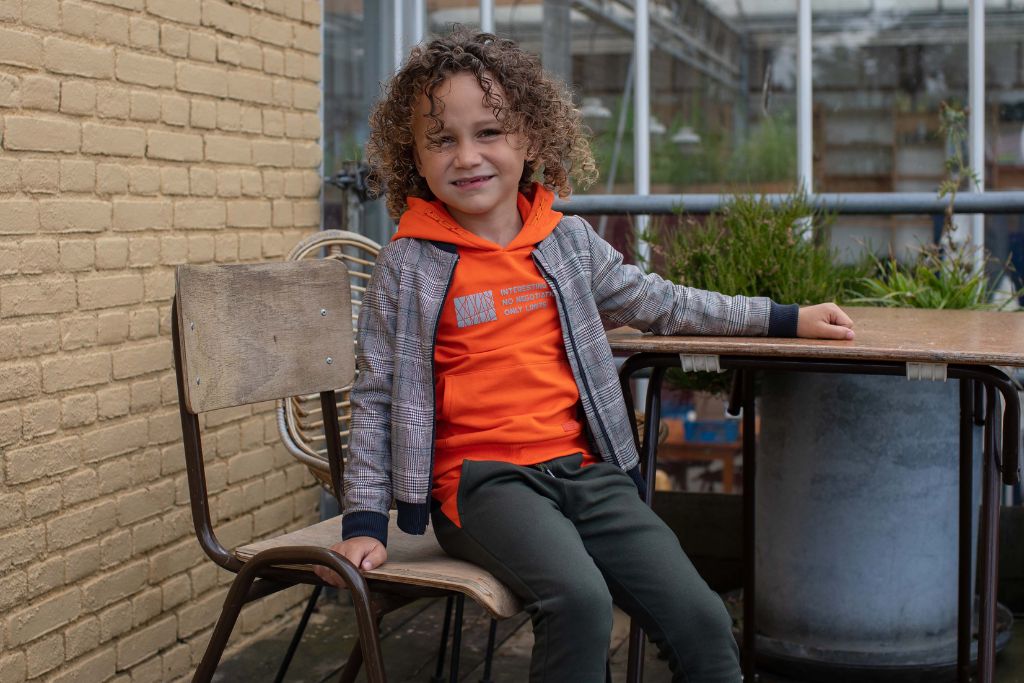
For boys, stylish winter options can sometimes feel limited in the wider market, which makes thoughtful curation especially valuable. Well-cut denim, modern knitwear, practical overshirts and quality jackets create plenty of personality without relying on novelty.
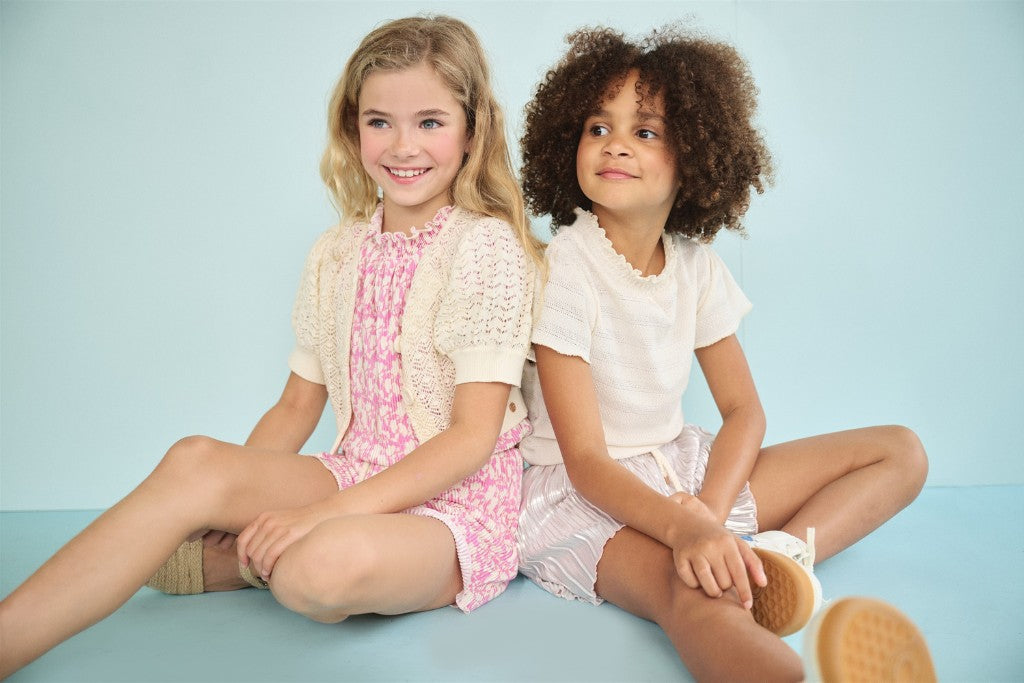
For girls, winter dressing often works best when there is a mix of comfort and structure. Knit dresses, soft skirts with tights, polished jumpers and easy layering tops can all move between casual and more dressed-up moments.
For tweens, the balance shifts slightly again. They often want clothing that feels more grown up, but still comfortable and age-appropriate. Clean lines, elevated basics and fashion-forward layers do that beautifully.
How much to buy, and what to skip
It is easy to overbuy for winter because everything feels useful in the moment. In reality, a smaller wardrobe of versatile pieces usually works better than an overflowing one.
Think in outfits rather than categories. If a jumper only works with one pair of pants, it may not earn its place. If a jacket is stylish but too fussy for daily wear, it might end up sitting unused.
It is also worth being realistic about your child’s habits. Some children wear the same silhouettes repeatedly and resist anything unfamiliar. Others enjoy experimenting with different looks. The right wardrobe reflects that personality instead of fighting it.
A curated winter edit might include a handful of base layers, two or three knit options, two jackets, several everyday bottoms, one or two dressier pieces and practical accessories. That is often enough to cover most weeks without making choices feel overwhelming.
A stylish wardrobe still needs to be practical
Beautiful design matters, but with children, practicality always has the final say. Waistbands need to be comfortable. Jackets should fit over layers. Dresses should allow movement. Fabrics should wash well and hold up through ordinary family life.
This is where premium kidswear tends to stand apart. Good design is not only about appearance. It is also about construction, fit and thoughtful details that improve wearability. When a garment feels right, children are more likely to choose it willingly, and parents get more value from every wear.
That balance of style and function sits at the heart of a well-built winter wardrobe. It is also why boutique curation matters. Stores such as Kids Secret make it easier to find pieces that feel considered from every angle - stylish enough to stand out, practical enough to earn their place.
When you are choosing winter clothes for children, the goal is not perfection. It is a wardrobe that feels easy, wearable and a little special all at once. If each piece keeps them warm, lets them move freely and still reflects their personality, you are on the right track.
Frequently Asked Questions
What are the most important kids' winter wardrobe essentials?
The most important kids' winter wardrobe essentials include long sleeve tops, quality jumpers, winter jackets, comfortable bottoms such as jeans or leggings, and practical layering pieces. These items create a versatile wardrobe that can adapt to changing temperatures throughout the day.
How many winter clothes does a child really need?
Most children do not need a large winter wardrobe. A few quality base layers, two or three jumpers, a couple of jackets, everyday bottoms and suitable footwear are often enough to create multiple outfits for the season.
What fabrics are best for children's winter clothes?
Cotton, cotton blends, wool blends and fleece-lined fabrics are popular choices for winter. Cotton is breathable and comfortable for layering, while wool blends and padded fabrics provide extra warmth during colder weather.
How should children dress for changing winter temperatures?
Layering is usually the best approach. A breathable base layer, a warm mid-layer such as a jumper, and an outer jacket allow children to adjust their clothing as temperatures change throughout the day.
What type of winter jacket is best for kids?
The best winter jacket depends on the climate. Lightweight padded jackets work well in many parts of Australia, while colder regions may require thicker insulated coats or wool-blend outerwear. Comfort, ease of movement and durability should always be priorities.
Are winter dresses practical for girls?
Yes. Winter dresses paired with tights, boots and knitwear can be both stylish and practical. Long sleeve dresses and knitted styles are particularly popular because they provide warmth while remaining comfortable for everyday wear.
How can I make a kids winter wardrobe last longer?
Choose versatile pieces that layer well, invest in quality fabrics and focus on styles that can be worn across multiple occasions. Durable garments with strong construction tend to retain their shape and appearance after repeated washing and wear.
Is it worth investing in premium winter clothing for children?
Premium winter clothing can offer better warmth, comfort and durability. Well-made jackets, knitwear and everyday essentials often last longer, wash better and provide greater value when worn regularly throughout the season.


Leave a comment