






A bright cardigan can make an ordinary school-holiday outfit feel special. A deep berry dress can carry a family lunch, party and photo moment without feeling overdone. The best kidswear colour trends are not about dressing children in miniature adult fashion. They are about choosing shades that feel fresh, suit real childhood, and give young people room to show who they are.
When choosing kids' clothes, colour matters just as much as fabric, fit and comfort. Choosing colours that work together can also make it easier to mix and match pieces across different seasons. It also matters that children genuinely want to wear it.
Kidswear colour trends with staying power
One of the most interesting ways to approach kidswear colour is through contrast, combining softer neutrals with brighter, more expressive shades. Soft, grounded neutrals sit alongside joyful brights. Familiar classics are updated with dustier, richer tones. This makes the wardrobe feel considered rather than overly matched.
Warm neutrals: cream, oatmeal and camel
Warm cream, oatmeal, stone and soft camel remain valuable foundations, particularly in knitwear, denim, cotton tees and relaxed trousers. These shades are calm without being bland, and they pair beautifully with the more expressive colours children are drawn to. They are also practical for handing down, especially when chosen in quality fabrics that hold their shape and wash well.
Earthy tones: olive, terracotta and cinnamon
Alongside those foundations, earthy colours continue to earn their place. Think terracotta, cinnamon, olive, moss and tobacco brown. They bring warmth to autumn and winter dressing, yet are not limited to cooler months. A lightweight olive overshirt or cinnamon cotton short can look equally at home in an Australian spring wardrobe.
Bright colours: cherry red, cobalt and butter yellow
The brighter end of the palette is more optimistic than fluorescent. Cherry red, cobalt, marine blue, butter yellow, coral and grassy green add energy without taking over the whole outfit. These colours work particularly well in pieces with a clear role: a statement jumper, a striped top, a party dress, a cap or a pair of socks peeking out from sneakers.
Soft pastels: dusty rose, lilac and sky blue
Pastels have moved away from overly sweet, head-to-toe looks. The modern version is softened and slightly muted: dusty rose rather than sugary pink, pale pistachio instead of sharp mint, sky blue in place of icy baby blue. These tones feel polished on younger children and suitably relaxed for tweens who want colour without feeling dressed too young.
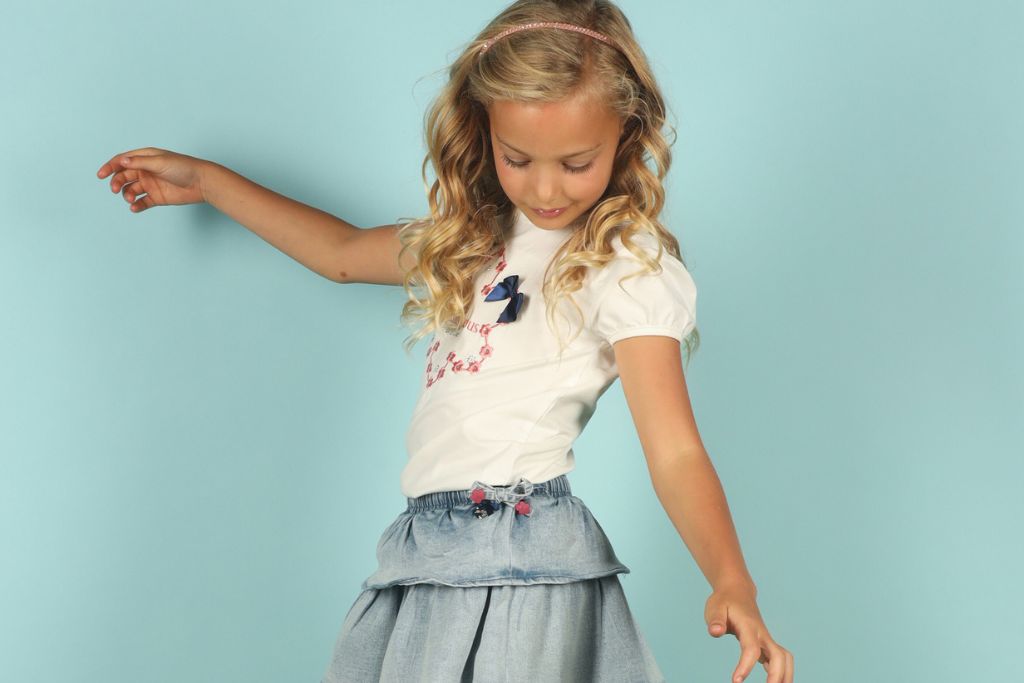
The key is to balance them with texture or a deeper neutral. A washed blue denim jacket gives a lilac skirt more everyday appeal. A soft pink knit over charcoal jeans feels current, comfortable and easy to repeat. This approach lets a favourite colour remain personal, rather than assigning it to a particular age or gender.
How European kidswear brands bring colour to life
One of the things we love about European kidswear is how confidently different brands use colour. Rather than following one palette, each label brings its own personality to children's wardrobes.
B.Nosy is known for playful colour combinations, bold prints and statement pieces that make everyday outfits more fun. NONO brings colour into girls' clothing through expressive patterns, beautiful dresses and interesting textures.
For something softer, Like FLO combines delicate shades with embroidery, broderie anglaise and feminine details. Meanwhile, TYGO & vito gives boys plenty of personality through bright T-shirts, colourful graphics and easy-to-wear denim.
The beauty of these collections is that you don't need to dress your child in bright colours from head to toe. Sometimes one colourful jumper, printed skirt or standout tee is all it takes.
Why colour needs to work beyond the photograph
A colour may look perfect in a campaign image but prove less useful once it reaches the laundry basket. Premium kidswear should earn its place through repeat wear, and that changes how colour trends are best used.
Very pale shades can be lovely for an occasion, but may demand more care on playground days, especially in lighter fabrics. Dark colours can hide some marks but may also show lint, sunscreen residue or fading over time, depending on the fabric and how it is cared for. Neither is a reason to avoid them. It simply means matching the colour to the garment’s job.
For everyday staples, mid-tones are often the quiet heroes. Denim blue, eucalyptus green, rust, soft navy and heather grey disguise the small evidence of a busy day while still feeling distinctive. A favourite pair of girls' jeans in a classic blue wash can also provide an easy starting point for brighter tops and colourful layers. For special pieces, a cream tulle skirt, pale yellow shirt or white collar can be worth the extra care because it creates a moment.
Fabric changes the way a colour behaves, too. Rich red looks especially beautiful in velvet or brushed cotton, while bright blue feels crisp in poplin and playful in jersey. Linen gives earthy pigments a relaxed, sun-faded character. Fine knits soften saturated shades, making them easier to wear close to the face. When browsing, consider the colour and material together rather than treating them as separate choices.
Building outfits with colour, not around rules
Children’s wardrobes do not need a rigid palette, but a small amount of colour planning can make mornings smoother. Begin with two or three dependable base shades that suit the child’s lifestyle and existing pieces. For one family, that may be cream, denim and navy. For another, it could be grey, olive and chocolate brown.
Then add two or three colours with personality. A child who loves red may enjoy cherry, brick and soft blush across different pieces. Someone drawn to blue might wear cobalt, faded sky and deep marine. Repeating a colour family gives a wardrobe a sense of cohesion while leaving room for individuality.
A useful way to style bolder pieces is to let one colour lead. A cobalt jumper can sit with faded denim and white sneakers. A floral skirt with berry, green and blue can be paired with a simple knit that picks up just one of those colours. This looks more intentional than trying to match every tone exactly.
Prints are where colour becomes especially expressive. European kidswear often does this beautifully, combining unexpected shades in florals, checks, graphics and stripes. When a print feels busy, ground it with one solid colour from the pattern. When it feels understated, a contrasting sock, jacket or accessory can bring the outfit to life.
For girls, boys and everyone in between
The most welcome shift in children’s fashion is the move away from narrow colour expectations. Pink can be bold, soft, sporty or romantic. Blue can be tailored, playful or artistic. Green, orange, purple and yellow offer just as much character, and are often favourites for children who want something less predictable.
Rather than shopping by an outdated idea of what a child should wear, pay attention to what makes them feel confident. Some children love being noticed in a bright coat. Others prefer the security of familiar navy, grey and denim, with colour appearing in a cap or printed tee. Both approaches can look stylish when the clothes fit well and feel good on.
When choosing teen girls' clothes, colour can become a way for tweens to express their growing independence. Deeper shades such as burgundy, forest green, espresso and ink blue can feel more mature while remaining age-appropriate. Pairing them with relaxed silhouettes, quality denim and soft layers keeps the overall look youthful rather than too formal.
Dressing for Australian light and seasons
Australia's sunny climate makes fresh, sun-washed colours particularly appealing for spring and summer wardrobes. This is one reason sun-washed tones - peach, sage, faded blue, warm white and sand - feel so natural in local wardrobes. They look fresh outdoors and transition easily from a beachside lunch to a birthday gathering.
Seasonality still has a role, particularly in southern states where cooler weather calls for layers. Winter is a lovely time for berry, pine, navy and ochre in knitwear, corduroy and jackets. In spring and summer, introduce lemon, aqua, coral and soft green through breathable cottons, linen blends and colourful girls' dresses.
That said, children do not need a completely new palette each season. A red cardigan over a white tee works in July with jeans and in December with cotton shorts. A navy dress or overshirt can be styled through the year by changing layers and shoes. Investing in colours that cross seasons is a smart choice when buying better-made pieces.
Choosing colour with confidence online
Shopping online makes thoughtful colour selection more important, as screens can slightly alter undertones. Product photography is helpful, but read the description for fabric composition and finish as well. A garment described as washed, garment-dyed, marl or brushed may look softer and more textured in person than it appears on a mobile screen.
Before choosing a standout shade, picture at least three ways it could be worn with what is already in the wardrobe. This is not a rule that every piece must be practical. A glorious party dress or a bright patterned jacket may be chosen simply because it delights them. But for everyday purchases, that quick mental check helps build a collection rather than a cupboard of one-off outfits.
At Kids Secret, we love combining colourful statement pieces with comfortable everyday favourites, from printed tops and dresses to denim and easy-to-wear layers. It is the combination that gives children freedom to dress with personality while parents can trust that the wardrobe will work hard.
Let colour be an invitation, not an instruction. Choose the shades that suit the season, the occasion and the child standing in front of you - then leave room for their favourite bright jumper, even if it does not match your original plan.
FAQs About Kidswear Colour Trends
What are the most popular kidswear colour trends?
Warm neutrals, earthy tones, soft pastels and bright statement colours are all worth exploring. Shades such as cream, olive, cherry red, cobalt blue, dusty rose and butter yellow offer plenty of possibilities for children's wardrobes.
What colours are best for children's everyday clothes?
Denim blue, navy, olive, grey and other versatile mid-tones are practical starting points. They pair easily with brighter colours and prints, making it simpler to create different outfits from a smaller wardrobe.
Are bright colours suitable for boys' clothing?
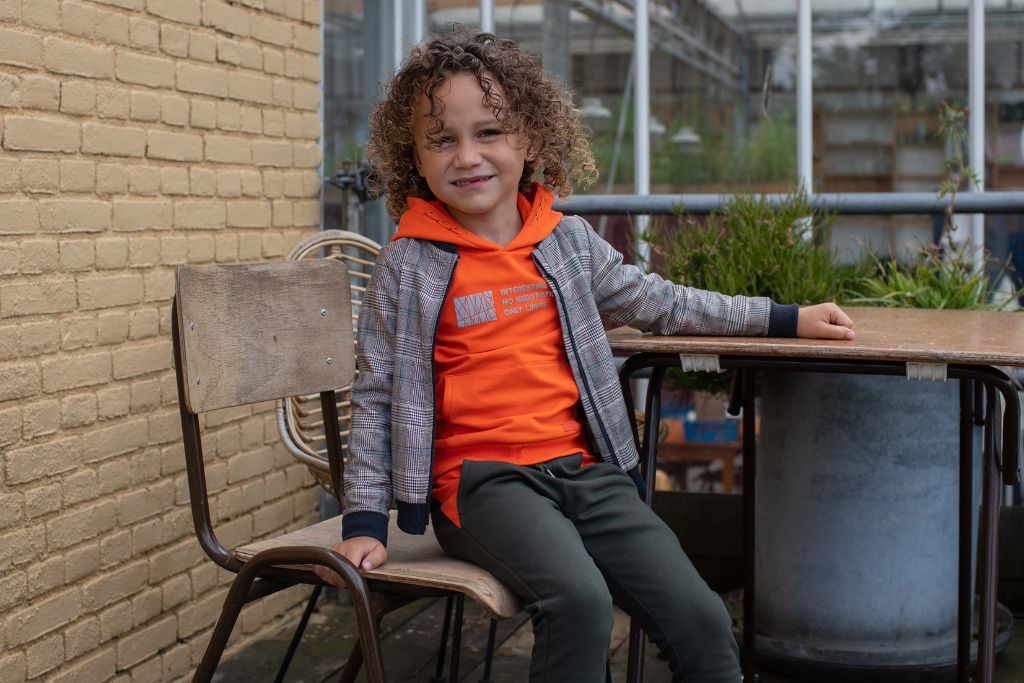
Absolutely. Bright colours such as orange, green, cobalt blue and yellow can bring personality to boys' outfits. A colourful T-shirt or sweatshirt paired with denim is an easy way to introduce bolder shades.
What colours are popular for tween girls?
Tweens may enjoy softer shades such as lilac, dusty pink and sky blue, or deeper colours such as burgundy, forest green and navy. The best choices depend on their personal preferences and how they like to dress.
How do I mix and match colours in kids' outfits?
Start with two or three versatile base colours, then add brighter shades or prints. Picking one colour from a patterned piece and repeating it elsewhere in the outfit is a simple way to create a coordinated look.
Which colours work well for kids' summer clothes?
Light shades such as peach, sky blue, lemon, sage and warm white can feel fresh in summer. Brighter colours such as coral and turquoise also work beautifully with lightweight fabrics and denim.
What colours are good for children's winter clothing?
Berry, burgundy, olive, chocolate brown, navy and ochre are lovely choices for cooler weather. They work particularly well in knitwear, jackets, corduroy and layered outfits.
How can I introduce colour without buying a whole new wardrobe?
Start with one or two colourful pieces that work with clothes your child already owns. A bright jumper, printed top, colourful skirt or statement jacket can refresh several outfits without replacing everyday essentials.


Leave a comment