





A beautiful kids’ outfit can win you over in seconds. The real test comes later - after school runs, weekend outings, washing cycles and the moment your child decides they will only wear the top that “doesn’t feel scratchy”. That is where organic kids clothes Australian families choose needs to do more than look good.
For parents who care about softness, durability and how a garment is made, organic fabric is often part of a bigger quality conversation. It is not simply about a label or a trend. It is about whether the piece feels gentle on the skin, holds its shape, washes well and still has enough style for children to feel like themselves wearing it.
What organic kids' clothes really means
Organic kids' clothes usually refers to clothing made from fibres grown without the heavy use of synthetic pesticides, fertilisers or genetically modified seeds. In children’s fashion, that most often means organic cotton, though you may also see blends that combine organic fibres with elastane or other materials for stretch and shape retention.
That last point matters. A dress, tee or pair of leggings can be made with organic cotton and still include a small amount of elastane to help it move comfortably and recover after wear. For many families, that is a practical compromise rather than a drawback. Pure natural fibres can feel beautiful, but children’s clothes also need to handle climbing, running, sitting on classroom floors and being washed on repeat.
Organic does not automatically mean premium, and premium does not automatically mean organic. The best pieces usually bring several qualities together - thoughtful fabric choice, good construction, a child-friendly fit and a design that feels current without being overdone.
Why parents are looking for organic kids' clothes Australia wide
There is a reason more families are paying attention to fabric composition rather than shopping on looks alone. Children are harder to convince than adults. If something feels stiff, itchy or heavy, they simply will not wear it. Organic cotton often appeals because it is soft from the start and comfortable enough for everyday dressing.
For some parents, skin sensitivity is the main driver. For others, it is the appeal of clothing made with more considered materials. And for many, it is both. They want pieces that feel better against the skin and align more closely with the standards they apply across the rest of family life.
There is also a growing resistance to disposable fashion. Buying fewer, better garments has become a practical choice as much as a style one. If a top keeps its shape, a jumper stays comfortable and a dress still looks polished after multiple wears, the cost per wear starts to make sense.
Fabric matters, but construction matters just as much
One of the easiest mistakes to make when shopping organic is assuming the fabric tells the whole story. It does not. A beautifully soft cotton can still disappoint if the seams twist, the neckline stretches or the fit is awkward after one wash.
When you are comparing options, look beyond the headline claim. Check whether the garment appears well finished, whether trims are simple and comfortable, and whether the shape suits real movement. Children’s clothing needs ease through the shoulders, room through the body where appropriate, and enough structure to avoid looking tired by mid-afternoon.
This is where boutique curation tends to stand apart from mass-market volume. A carefully selected collection is more likely to consider how garments feel, how they last and how they work in a child’s wardrobe rather than chasing novelty alone.
How to shop organic kids' clothes without sacrificing style
There is sometimes an assumption that organic means plain basics in neutral tones. That can be true in some ranges, but it is far from the full picture. Some of the most appealing children’s fashion now balances soft, wearable fabrics with elevated prints, modern silhouettes and considered colour palettes.
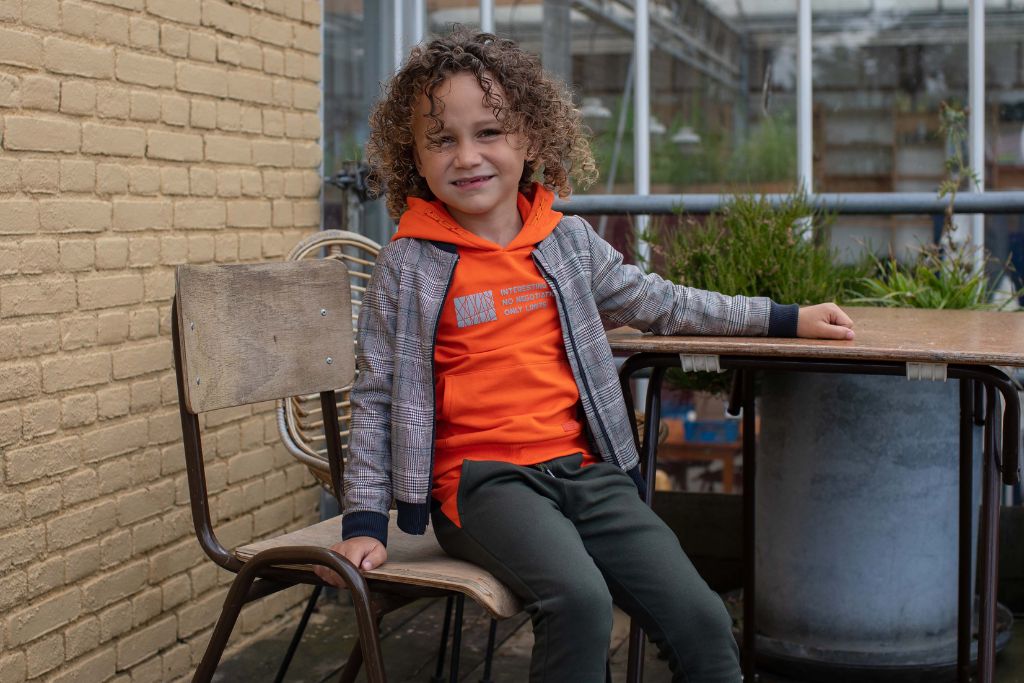
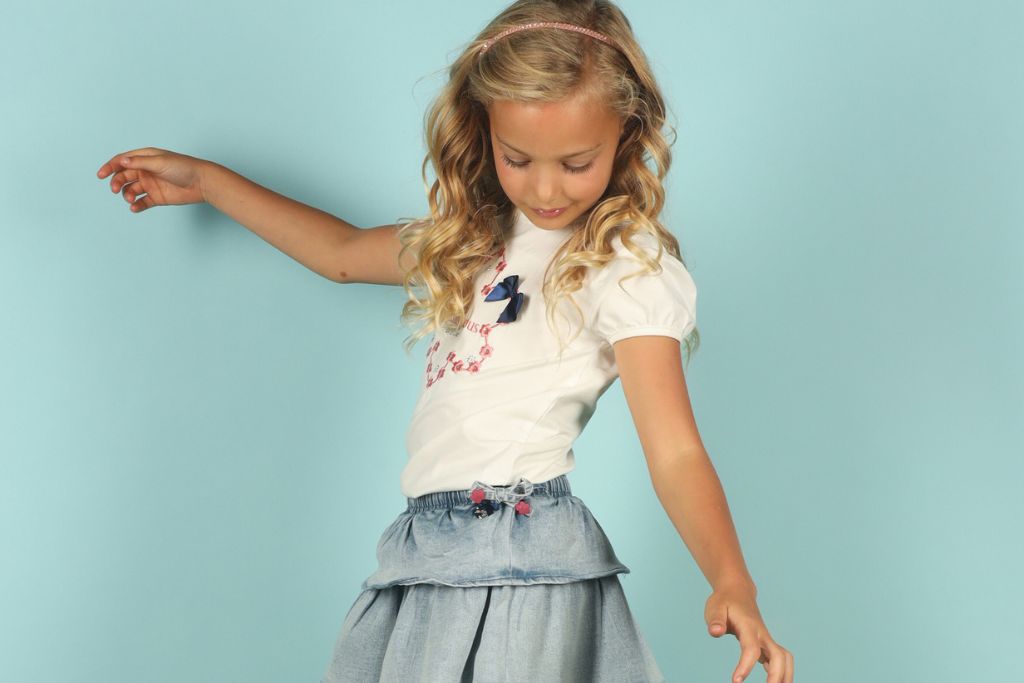
For girls, that might mean an organic cotton dress with shape and movement rather than something overly fussy. For boys, it could be a soft tee or overshirt that feels comfortable enough for everyday wear but still looks polished. For tweens, the sweet spot is often clothing that feels current without pushing too far into mini-adult styling.
The strongest wardrobes are built from pieces that work hard together. Organic cotton tops, soft denim with stretch, easy knits and comfortable layering pieces create outfits that look put together without feeling rigid. Style matters, but comfort is what turns a good purchase into a favourite.
When premium organic kidswear is worth the spend
Not every item in a child’s wardrobe needs to be premium. That is the honest answer. Fast-growing children can outsize pieces quickly, and some categories take a heavier beating than others.
Where premium organic kids clothing tends to earn its place is in the garments worn most often - everyday tops, dresses, leggings, sleep-adjacent loungewear, soft knits and layering staples. These are the pieces children notice most because they sit closest to the skin and go through the wash most frequently.
It can also be worth investing in occasionwear that does not feel like occasionwear. A beautifully made cotton dress or shirt that is comfortable enough to wear beyond one event often offers better value than something elaborate that only makes it through a single family function.
If you are balancing budget and quality, focus on the categories where comfort, repeat wear and longevity matter most. That is usually a smarter approach than trying to make every item organic or premium at once.
What to check before you buy
Shopping online asks parents to make good decisions without touching the garment first, so product detail matters. Start with fibre composition. Organic cotton should be clearly stated, and if the piece includes elastane or another fibre, that should be listed too.
Then look at the cut and intended fit. Is it relaxed, fitted or oversized? A good fit note can save frustration, especially when buying for children between sizes or shopping for tween years, where preferences become stronger and silhouettes more specific.
Photography also tells you a lot. Clear images should show drape, texture and finish rather than relying on styling alone. Product descriptions worth trusting usually talk about feel, practicality and how a piece is designed to be worn. If a retailer has done the curating properly, the information should help you imagine the garment in real family life, not just on a screen.
Organic kids' clothes shoppers should be realistic about
Organic is a valuable feature, but it is not a magic guarantee. Some organic cotton pieces are feather-soft yet lighter in weight, which may not suit every use. Others are excellent for everyday wear but need a little more care to keep colours and shape looking fresh.
There is also the matter of season and climate. In warmer parts of Australia, breathable cotton is ideal for much of the year. In cooler months, layering becomes more important, and not every winter piece will be fully organic if warmth, structure or weather resistance are priorities.
That does not make the choice less worthwhile. It simply means the best wardrobe is usually a considered mix. Parents do not need perfection. They need clothing that feels good, wears well and makes getting dressed easier.
A more thoughtful way to build a child’s wardrobe
The most successful children’s wardrobes are rarely the biggest. They are the ones where each piece has a purpose, feels comfortable and can be worn more than one way. Organic cotton basics can anchor that wardrobe, while standout seasonal pieces bring personality.
For style-conscious parents, the sweet spot is clothing that respects both sides of the decision - what your child is excited to wear, and what you feel good about buying. That might be an organic tee under a tailored jacket, a soft dress styled with sneakers, or a premium jumper that looks special but survives ordinary life.
At Kids Secret, that balance matters. Our collection of sustainable kids clothes is designed to balance comfort, quality and style without compromising wearability.
When you are choosing organic kids' clothes, trust the pieces that answer more than one need at once. The best ones do not ask you to pick between style and practicality. They quietly deliver both, and that is usually what earns them a permanent place in the wardrobe.
Frequently Asked Questions
What are organic kids' clothes?
Organic kids' clothes are garments made from fibres grown without the heavy use of synthetic pesticides, chemical fertilisers or genetically modified seeds. Organic cotton is the most common material used in children's clothing and is often chosen for its softness, comfort and reduced environmental impact.
Are organic kids' clothes better for children?
Many parents choose organic kids' clothes because organic cotton is often soft, breathable and comfortable against the skin. While every child is different, organic fabrics can be a good option for children who prefer softer materials or have sensitive skin.
Is organic cotton worth the extra cost?
Organic cotton clothing can be worth the investment when quality, comfort and durability are priorities. Well-made organic garments often become everyday favourites because they feel comfortable, wash well and hold up to repeated wear. The value usually comes from how often the clothing is worn rather than the initial purchase price.
How can I tell if kids' clothes are genuinely organic?
Look for product descriptions that clearly state the garment is made from organic cotton or organic fibres. Many brands also use recognised certifications such as GOTS (Global Organic Textile Standard), which helps verify that the materials meet organic production standards.
What is the difference between organic kids' clothes and sustainable kids' clothes?
Organic kids' clothes focus on how the fibres are grown, while sustainable kids clothes consider a broader range of factors, including materials, production methods, durability and environmental impact. A garment can be organic, sustainable, both or neither, depending on how it is made.
Do organic kids' clothes last as long as regular clothes?
High-quality organic kids' clothes can be just as durable as conventional clothing. Longevity depends on factors such as fabric quality, garment construction and care. Well-made organic cotton garments are often designed to withstand regular washing and everyday wear.
What types of organic kids' clothes are worth investing in?
Many families prioritise everyday essentials such as T-shirts, dresses, leggings, jumpers and sleepwear because these pieces are worn frequently and sit directly against the skin. Investing in comfortable, high-quality basics often delivers the greatest value over time.
Are organic kids' clothes suitable for all seasons?
Yes. Organic cotton is naturally breathable, making it comfortable in warmer weather, while organic cotton layers and knitwear can be worn throughout cooler months. Many families build year-round wardrobes using a mix of organic basics, layering pieces and seasonal clothing.


Leave a comment