


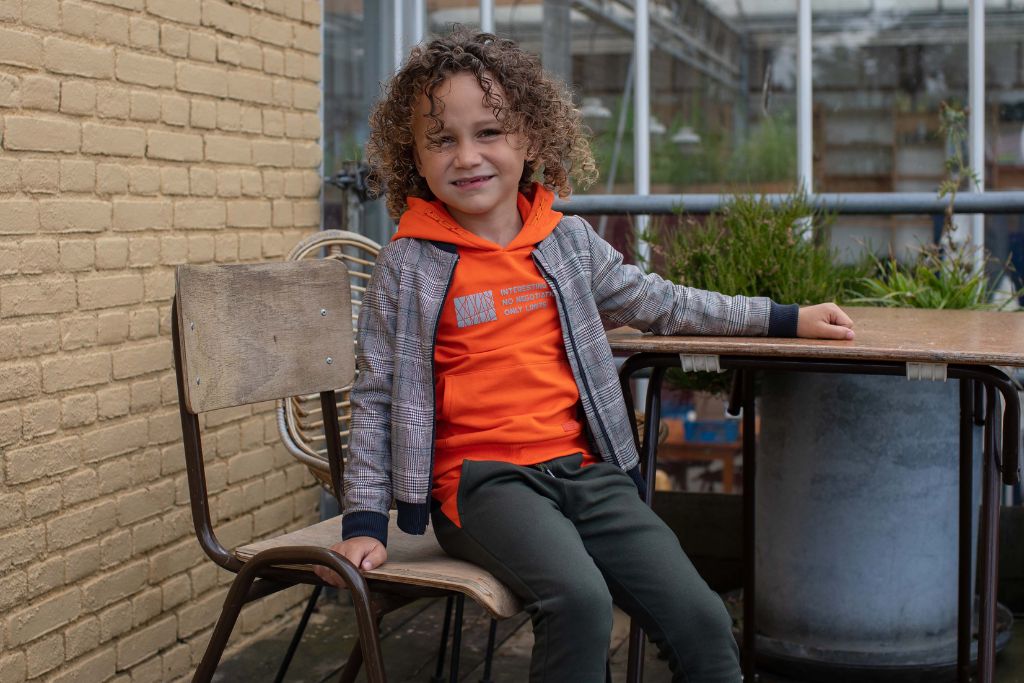
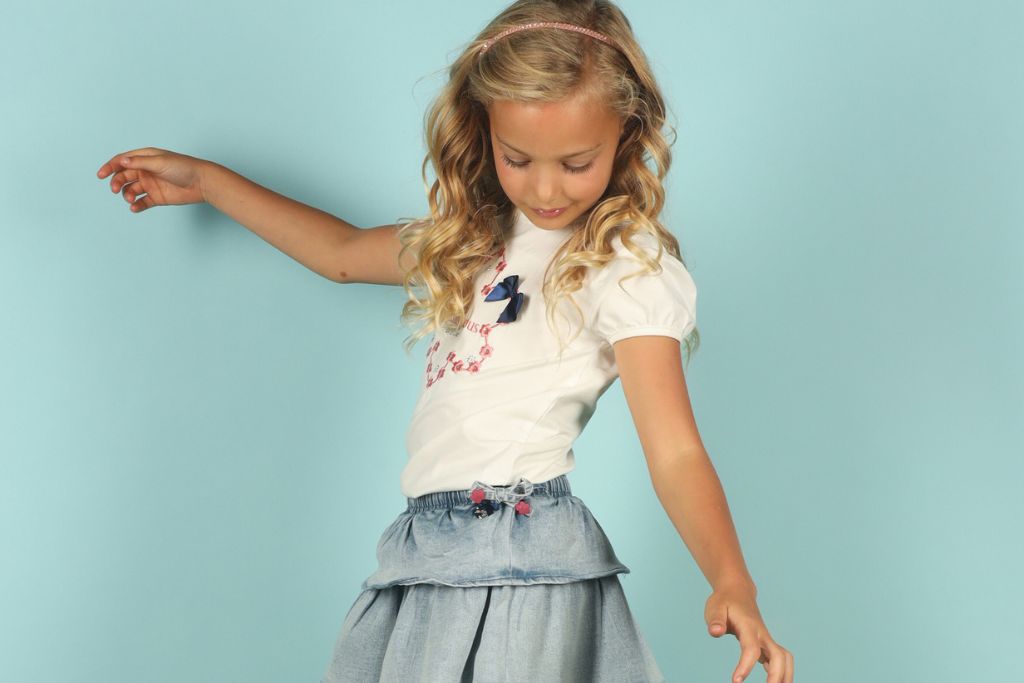



School concert on Thursday, birthday lunch on Saturday, and somehow your child has outgrown half their wardrobe in between. That is usually the moment designer children's clothing stores start to make more sense. Not because every child needs a wardrobe full of labels, but because well-made pieces can solve a very practical problem - finding clothes that look special, feel comfortable and keep up with real life.
For many parents, the shift happens after one too many disappointing buys. A jumper loses shape after a few washes. Jeans look smart online but feel stiff the second they go on. A dress is lovely in photos, yet the fabric scratches, the fit is awkward or the finish simply does not last. Premium kidswear earns its place when design and wearability come together, and that is where a carefully curated store stands apart from a generic fashion retailer.
Why designer children's clothing stores feel different
The best designer children's clothing stores do more than stock recognisable names. They edit. They filter. They save families from sorting through pages of average options to find the few pieces that are truly worth considering.
That curation matters because children’s clothing has to answer to two people at once. Kids want personality. Parents want reassurance. A strong store understands both. It brings together clothing with a point of view - perhaps sharper tailoring, more thoughtful detailing or a stronger sense of colour and silhouette - while still paying attention to soft linings, flexible waistbands, washable fabrics and fits that allow children to move properly.
This is especially valuable when shopping for tweens and teens, where the gap between childish and too-grown-up can feel surprisingly narrow. A boutique-style edit tends to be better at finding that middle ground. Pieces feel elevated and current without losing the age-appropriate ease that makes them wearable.
Quality is not just about a label
There is a difference between paying for a name and paying for a better garment. Good designer kidswear usually justifies itself in the details.
A jacket may have a cleaner cut, better stitching and a lining that helps it sit properly on the body. A pair of jeans may include enough stretch to stay comfortable through a full day at school events, family outings or travel. A knit may feel softer from the start and hold its shape more reliably over time. These things are easy to miss on a product page if you are only looking at the headline image, but they are exactly what affect whether a piece becomes a favourite or ends up unworn.
Fabric choice is often the clearest sign. Natural fibres, considered blends and better finishes tend to feel nicer against the skin and wear more gracefully. That does not mean every premium piece is delicate. In fact, some of the best ones are the opposite - they are designed to be lived in, washed and worn again without looking tired after a fortnight.
Of course, not every child needs premium basics across the board. It depends on the item. Special occasionwear, outerwear, denim and well-cut dresses often deliver the clearest return because they are the categories where fit, fabrication and finishing make the biggest difference.
How to tell if a store is worth your time
A beautiful homepage is not the same thing as a good shopping experience. The strongest stores make it easier to buy well, not just browse beautifully.
Start with the product mix. If everything feels random, trends are overdone or the styling leans heavily on looks that seem impractical for actual children, the store may be prioritising image over wearability. A better sign is a balanced assortment: occasion pieces alongside everyday staples, fashion-led options alongside dependable essentials, and enough breadth for girls, boys and teens rather than one category doing all the work.
Then look at how products are presented. Clear fit notes, fabric information and multiple images are not small extras. They help parents make confident choices without guesswork. Size guidance matters too, especially in children's wear where growth spurts can make online shopping feel like a gamble.
Service details also tell a story. Thoughtful returns, prompt dispatch and flexible payment options suggest the store understands family shopping habits. Premium retail should feel polished, but it should also feel practical. If the service is difficult, the experience is not truly premium.
The role of curation in everyday dressing
One of the biggest misconceptions about designer kidswear is that it is only for parties, portraits and milestone events. In reality, the right store helps children build a wardrobe that works across everyday life.
That might mean a beautifully cut tee that lifts a simple outfit, a soft overshirt that becomes the layer thrown on for everything, or a pair of shorts that look smart enough for lunch out but relaxed enough for holidays. These are the pieces that quietly do the heavy lifting.
Curated stores tend to be particularly strong here because they think in collections rather than isolated products. A top is not just a top. It needs to work back with denim, skirts or jackets already in the wardrobe. A special dress should still feel comfortable enough to wear for more than an hour. A boys’ outfit should have as much design interest as a girls’ one, without sacrificing practicality.
That is often where European kidswear stands out. The design language can feel fresher, with more personality in the print, silhouette and finish, while still maintaining the quality parents are looking for. When chosen well, those pieces feel distinctive without becoming difficult to wear.
Shopping for your child, not just the trend cycle
Children are honest dressers. If something itches, pinches, rides up or feels too fussy, it will be rejected immediately. That is why the best buying decisions are not driven by trend alone.
When shopping designer, it helps to think about your child’s habits first. Are they constantly on the move? Look for stretch, softness and easy closures. Do they prefer outfits with a bit of attitude? Focus on shape, layering pieces and strong separates rather than one-off novelty items. Are you buying for events across a season? Prioritise pieces that can be re-styled so they do not only work once.
There is also the question of growth. Sometimes it is worth sizing with a little room, particularly in outerwear and looser silhouettes. Other times, especially with tailored dresses, fitted jackets or slim denim, buying too far ahead can spoil the look and comfort. Premium clothing tends to perform best when the fit is right now, not six months from now.
Why fewer better pieces can work harder
For many families, the appeal of designer childrens clothing stores is not about buying more. It is about buying with more intention.
A smaller wardrobe of better-made pieces often gets worn more often because each item earns its place. Children know what feels good, and they will naturally return to clothing that is comfortable and easy. Parents notice the value when those same pieces wash well, mix easily and still look polished after repeated wear.
This approach can be particularly useful when shopping for seasonal changes or key moments in the year. Instead of overfilling the wardrobe with short-lived options, it often makes more sense to choose a few standout items with longevity in mind. A quality coat, a well-made party dress, a smart knit or dependable denim can anchor everything else around it.
That is part of the reason a curated boutique model resonates with so many families. Stores such as Kids Secret do the sorting before you arrive, narrowing the field to pieces chosen with care for how they feel, how they last and how they are made. It takes some of the noise out of online shopping and replaces it with confidence.
A better standard for children's wear
The best designer childrens clothing stores understand that style alone is never enough. Parents are not only buying a look. They are buying comfort for long days, quality that stands up to wear, and clothing that lets children feel like themselves.
That balance is what makes premium kidswear worth considering. Not every item needs to be a designer piece, and not every occasion calls for one. But when a garment is thoughtfully made, beautifully designed and genuinely wearable, it tends to justify its place very quickly.
If you are shopping for a wardrobe that feels more considered and less disposable, start with the pieces your child will actually reach for. That is usually where great style begins - and where real value becomes obvious.
Frequently Asked Questions
Are designer children's clothing stores worth shopping from?
Designer children's clothing stores can offer better quality, fit and durability than many mass-market retailers. Curated collections often feature premium fabrics, thoughtful designs and stronger construction, helping clothes maintain their appearance and comfort for longer. Many parents find that investing in a few well-made pieces provides better value than frequently replacing lower-quality items.
How do I choose the best designer children's clothing store?
Look for stores that offer a carefully selected range of brands, detailed product descriptions, clear sizing information and responsive customer service. The best designer children's clothing stores focus on quality, comfort and practicality rather than simply stocking well-known labels. Reviews, return policies and brand selection can also help you assess whether a retailer is right for your family.
Why is designer children's clothing often more expensive?
Designer children's clothing typically costs more because of the materials, craftsmanship and design involved. Premium brands often use higher-quality fabrics, better stitching and more durable finishes. Many also invest in ethical production methods and thoughtful design features that improve comfort and fit for growing children.
What types of children's clothing are worth investing in?
Outerwear, denim, knitwear and special occasion outfits are often the best investment pieces. These garments benefit most from better fabrics and construction, helping them last longer and maintain their appearance through regular wear and washing. Quality coats, jeans and jumpers can often be passed down to younger siblings.
How can I tell if children's clothing is high quality?
Check the fabric composition, stitching, seams and finishing details. High-quality children's clothing should feel soft, comfortable and well-made. Look for reinforced stitching, smooth linings, durable fastenings and fabrics that hold their shape. Clothes that wash well and retain their fit over time usually offer the best long-term value.
Do designer children's clothing stores stock clothes for all ages?
Most designer children's clothing stores offer clothing for babies, children, tweens and teenagers. However, ranges vary by retailer. Some specialise in younger children, while others offer fashion-forward collections for older kids and teens. Choosing a store with a broad age range can make it easier to shop for siblings in one place.
Is designer children's clothing suitable for everyday wear?
Yes. Modern designer children's clothing is often designed with everyday life in mind. Many collections combine stylish design with comfortable fabrics and practical features, making them suitable for family outings, holidays, parties and everyday activities. The best pieces balance fashion with comfort and durability.
What are the benefits of buying from a boutique children's clothing store?
Boutique children's clothing stores often provide a more carefully curated shopping experience. Instead of overwhelming customers with endless options, they focus on quality brands and versatile pieces that work well together. This can make it easier for parents to build a stylish, practical wardrobe for their child while shopping with confidence.


Leave a comment