






Mornings usually tell the truth about a child’s wardrobe. If drawers are full but there is still nothing easy to wear, the problem is rarely a lack of clothes. It is usually a lack of pieces that work together. That is exactly where a guide to kids capsule wardrobe planning can make life feel lighter - less guesswork for parents, fewer outfit battles, and more clothes that children genuinely want to wear.
A capsule wardrobe for children is not about stripping everything back to beige basics or limiting personality. It is about building a thoughtful edit of pieces that mix well, feel good on, and suit real life. For families who care about quality, comfort and style, it can be a smarter way to buy.
What a kids capsule wardrobe actually looks like
A kids capsule wardrobe is a small, versatile collection of clothing that covers everyday needs without unnecessary overlap. Instead of buying five tops that only work with one pair of bottoms, you choose pieces that can be worn in multiple combinations. The result is a wardrobe that looks more polished and works harder.
For children, that matters because they dress for movement, comfort and routine. They need clothes for school, weekends, outings, family events and the odd special occasion. A good capsule does not ignore those needs. It simply makes sure each piece earns its place.
The best versions usually include dependable denim or cotton bottoms, easy tops, a knit or jumper, a practical jacket, a dress or smarter outfit if needed, and shoes that cover daily wear. The exact balance depends on age, school dress codes, climate and how quickly your child grows.
Why this guide to kids capsule wardrobe planning works
The appeal is practical, but the benefits go beyond tidiness. When children have fewer, better options, they are more likely to wear what they own. Parents can see gaps more clearly, avoid overbuying and make room for quality pieces with better fabric, better fit and better wear.
There is also a style advantage. A capsule wardrobe creates consistency without looking repetitive. When colours, shapes and textures have been chosen with intention, getting dressed feels easy but still expressive. That matters for older children and tweens in particular, who often want individuality without feeling overdone.
Of course, there are trade-offs. A capsule wardrobe is not a rigid formula, and it is not always the cheapest route upfront. Investing in well-made pieces can cost more at the start. But if those pieces wash well, hold their shape and pass down beautifully, the value often becomes clearer over time.
Start with lifestyle, not numbers
One of the quickest ways to get a capsule wrong is to copy a generic checklist. Some children live in shorts and tees for most of the year. Others need layers, neat separates for school events or dressier options for weekends with family. Before buying anything, look at how your child actually spends the week.
Think about what gets worn most often, what sits untouched and what causes friction. If your child avoids stiff waistbands, scratchy knits or tops that ride up, that is useful information. If they reach for the same jumper every second day, that tells you something too. The wardrobe should reflect real preferences, not an idealised version of childhood dressing.
A practical starting point is to build around everyday wear first, then add one or two elevated pieces. That keeps the wardrobe grounded in use. It also means the special pieces feel intentional rather than excessive.
Choose a colour palette that makes dressing easier
Colour is where a capsule wardrobe becomes genuinely useful. You do not need to limit your child to neutrals, but it helps to choose a core palette that allows most pieces to mix without effort.
A good approach is to anchor the wardrobe with two or three easy base shades such as denim blue, cream, grey, navy, olive or soft tan. Then add one or two accent colours your child loves. That might be dusty pink, forest green, red, lilac or a cheerful print that ties everything together.
This is especially helpful when shopping for premium pieces. A beautifully cut jacket, well-made knit or standout skirt is more versatile when it works across the wardrobe rather than with one outfit only. Prints can still have a place, but they tend to work best when balanced by reliable solids.
Focus on fabrics, fit and feel
Children are far less interested in a garment’s label than they are in how it feels by lunchtime. Soft cottons, breathable blends, comfortable denim, brushed fleece and knits with a gentle hand feel often earn their place quickly. If something looks beautiful but feels restrictive, it is likely to stay on the hanger.
Fit matters just as much. The aim is not to size up dramatically in the hope of getting extra seasons out of a piece. Clothes that swamp a child can be uncomfortable and awkward to style. Instead, look for thoughtful cuts, adjustable waists, easy layering potential and shapes that allow movement.
This is one reason a curated approach works so well. When garments are chosen with care for construction and wearability, children notice the difference. Parents do too, especially after repeat washes.
The key pieces worth building around
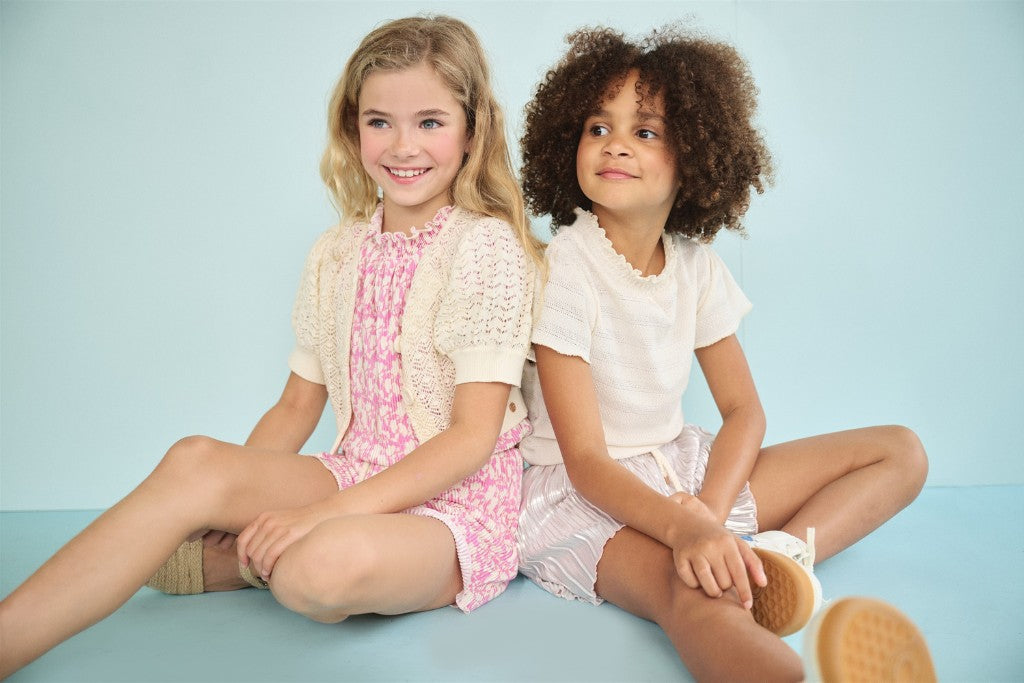
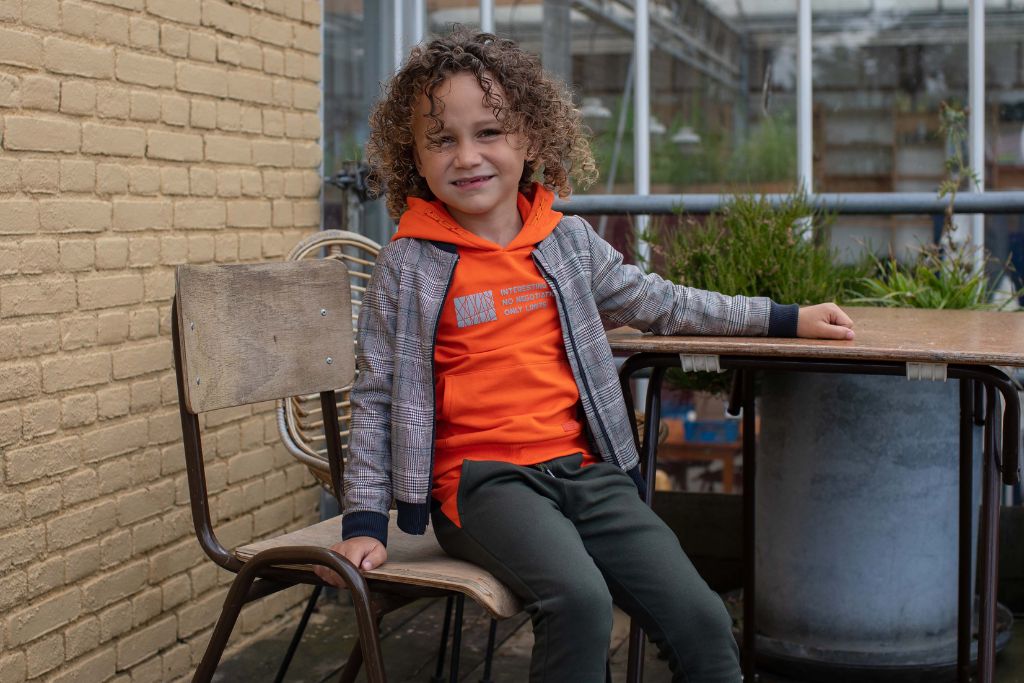
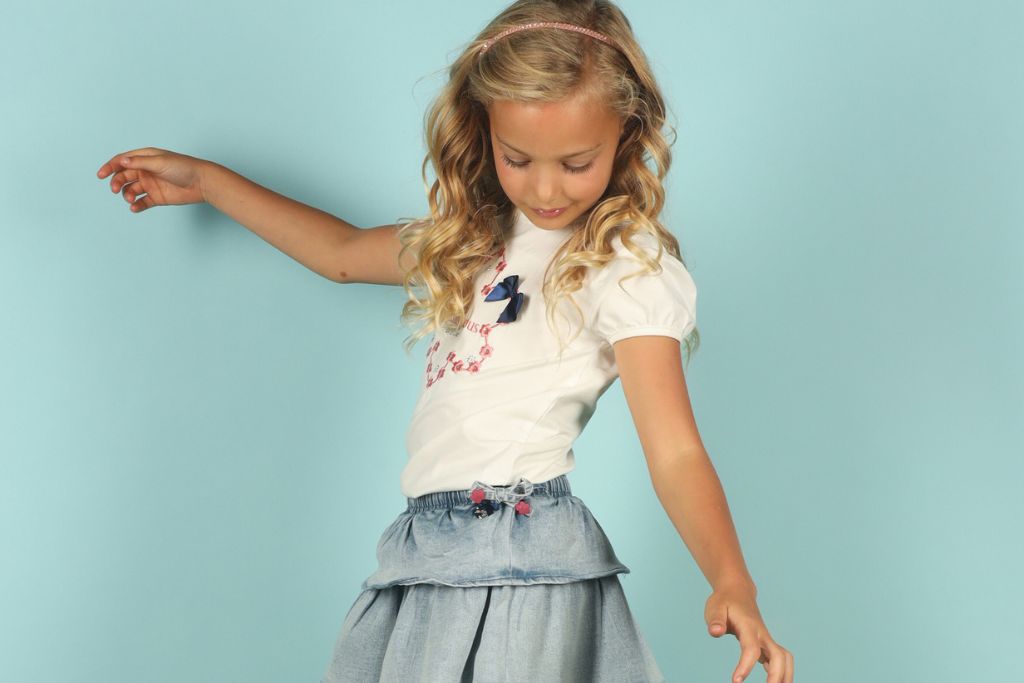
In most wardrobes, the hardest-working items are the simplest. A pair of jeans with a comfortable waistband, tailored shorts, easy cotton tops, a quality jumper and a light jacket will usually do more than novelty pieces ever can. For girls, that might also include a versatile dress that can be worn casually with sneakers or dressed up with boots. For boys, it may mean investing in polished basics with stronger shape, texture or colour to avoid the generic look that so often dominates the category.
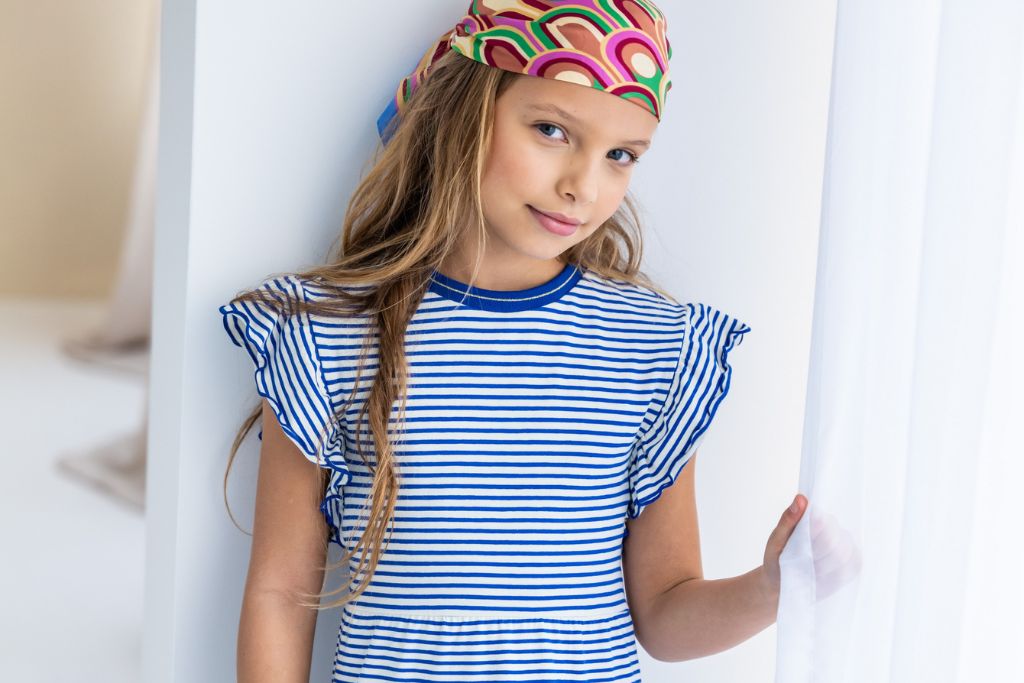
Older children and tweens often benefit from one or two more elevated pieces that feel current without being too grown up. Think a statement knit, a beautifully cut overshirt, a refined skirt or a dress with enough personality to stand alone. These are the pieces that help a capsule feel stylish rather than purely functional.
Keep seasonality in mind
In Australia, a capsule wardrobe often needs to handle warm days, cool evenings and the occasional weather shift that arrives out of nowhere. Layering is usually more useful than buying heavily for one narrow season.
That means lightweight tops under knits, dresses that work with jackets, and outerwear that is practical without feeling bulky. In warmer months, breathable fabrics matter most. In cooler months, focus on warmth without weight, especially for children who dislike feeling restricted.
A seasonal refresh does not need to mean a full reset. Usually, it is a matter of rotating a few pieces in and out while keeping the core wardrobe intact. That is one of the reasons capsules are easier to maintain than a constantly expanding wardrobe.
How to shop with more intention
The strongest capsule wardrobes are rarely built in one go. They come together through better decisions. Before adding a new piece, ask whether it works with at least three existing items, whether your child will enjoy wearing it, and whether it fills a real gap.
It also helps to be honest about the role of trend. A trend-led piece can absolutely belong in a child’s wardrobe if it still feels wearable and age-appropriate. The difference is that in a capsule, trend works best as a highlight rather than the foundation.
For parents who appreciate boutique-quality childrenswear, this is where curation matters. A carefully chosen range makes it easier to find pieces that feel distinctive yet still practical. At Kids Secret, that balance is part of the appeal - fashion-forward styles that still make sense for everyday family life.
A guide to kids capsule wardrobe edits as children grow
Children do not stay the same size, taste or stage for long, so a capsule wardrobe should never feel fixed. Review it every few months. Notice what still fits, what still suits their routine and what no longer reflects who they are.
As children get older, they usually want more say in what they wear. That is worth encouraging. A capsule wardrobe works best when children feel represented by it. If they love a certain colour, silhouette or detail, build around that rather than fighting it. You are aiming for a wardrobe they will reach for independently.
At the same time, parents can hold the line on quality and practicality. The sweet spot is clothing that allows personality to come through while still offering comfort, durability and enough versatility to justify its place.
A good wardrobe should make daily life feel easier, not more complicated. When each piece has been chosen with intention, getting dressed becomes less about managing excess and more about enjoying what is already there. That is often the quiet luxury parents appreciate most.
Frequently Asked Questions
What is a kids capsule wardrobe?
A kids capsule wardrobe is a small collection of versatile clothing that can be mixed and matched to create multiple outfits. The goal is to simplify dressing, reduce unnecessary purchases and make better use of each item in the wardrobe.
How many clothes should be in a kids capsule wardrobe?
There is no fixed number. Most kids capsule wardrobes include a selection of everyday tops, bottoms, layering pieces, outerwear and a few special occasion items. The right size depends on your child's age, lifestyle, climate and laundry routine.
What are the benefits of a kids capsule wardrobe?
A kids capsule wardrobe can make mornings easier, reduce clutter, minimise impulse purchases and help children get more wear from their clothing. Many parents also find it easier to identify genuine wardrobe gaps and invest in higher-quality pieces.
How do I choose colours for a kids capsule wardrobe?
Start with a few versatile base colours such as denim blue, navy, cream, grey or olive. Then add one or two accent colours your child enjoys wearing. This approach helps most pieces coordinate easily while still allowing personality to shine through.
Can a kids capsule wardrobe still be fashionable?
Absolutely. A capsule wardrobe focuses on versatility rather than limiting style. By choosing quality pieces, modern silhouettes and a few standout items, children can still express their personality while maintaining a practical wardrobe.
What are the best pieces for a kids capsule wardrobe?
Popular essentials include comfortable jeans, quality tops, knitwear, practical jackets, versatile dresses or skirts for girls, and easy layering pieces that can be worn throughout multiple seasons.
How often should I update a kids capsule wardrobe?
Most families review their child's wardrobe every season or every few months. Growth spurts, changing weather and evolving personal style are all good reasons to refresh a capsule wardrobe and replace pieces that no longer fit or suit their needs.
Is a kids capsule wardrobe worth it for fast-growing children?
Yes. A capsule wardrobe encourages more thoughtful buying and often reduces waste. By focusing on versatile, high-quality pieces, families can get more wear from each item before it is outgrown.


Leave a comment